



Ok, your child’s Sophie the Giraffe Teether just hit the dog bowl, or the cafe floor...again!
A few years ago, that might’ve meant a dousing in bleach or a mystery “baby-safe” spray full of synthetic preservatives. But more parents are waking up to this simple truth:
You shouldn’t need a chemistry degree to clean your kid’s toys.
Here’s how to clean and disinfect toys safely — without exposing your baby (and everyone in your house) to unnecessary chemicals. These methods use what you likely already have in the kitchen and align with low-tox, eco-conscious values that we love here at Biome.
If you're thinking more broadly about creating a low-tox home for your little one, our non-toxic baby essentials guide is a helpful place to start.
What Not to Use on Toys
I'll start with what to avoid — especially for anything that goes near a baby’s mouth:
- Bleach: Even diluted, it can leave residues and fumes.
- “Antibacterial” wipes: Usually packed with quats*, synthetic fragrances, and skin irritants.
- Alcohol-based sprays: Harsh on lungs and sensitive skin.
- Essential oils — undiluted or misused: Many aren’t safe for infants or pets.
*What are "quats"? Quats is short for Quaternary Ammonium Compounds - human-made chemicals used for a variety of purposes, particularly as antimicrobials in disinfectants and sanitisers.
Cleaning vs Disinfecting: What's the difference?
- Cleaning = removing dirt, crumbs, drool
- Disinfecting = killing germs (important after illness or playdates)
Regular cleaning is often enough. Save disinfecting for when it’s really needed.
1. Hot Soapy Water (Simple, Effective)
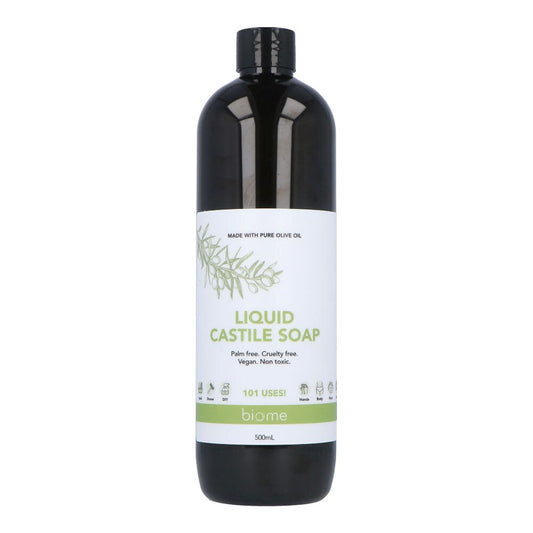
For plastic toys without batteries, a soak in warm water and castile soap does wonders.
How to:
- Fill a basin with warm water and a few squirts of natural, fragrance-free soap.
- Soak for 10–15 minutes, then scrub with a clean cloth or brush.
- Rinse and air dry.
🧼 Biome Tip: We love this Biome Unscented Liquid Castile Soap — made in Australia, safe for babies, and zero unnecessary additives.
2. White Vinegar Spray (Natural Disinfectant)
Vinegar is naturally antibacterial — no harsh chemicals needed.
How to:
- Mix equal parts white vinegar and water in a spray bottle.
- Spritz on hard surfaces, let sit 10 minutes, wipe clean.
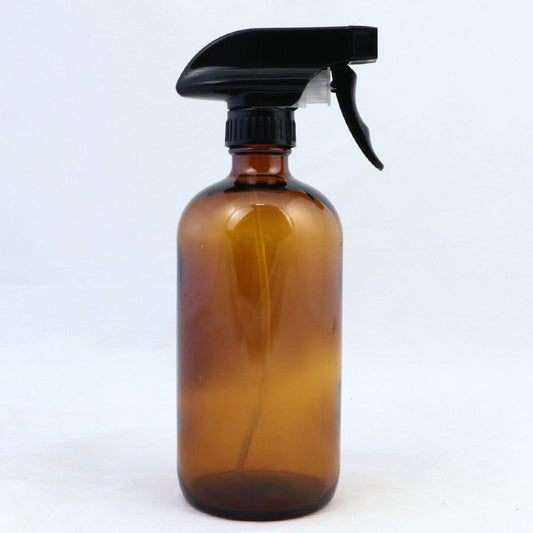
💡 Use a refillable Amber Glass Spray Bottle 500ml — great for reducing plastic waste and keeping cleaning supplies looking sweet!
3. Baking Soda Paste (Great for Grime)
For toys with crevices or sticky build-up. Use bicarb soda (baking soda) from your pantry — no fancy brand needed.
How to:
- Mix bicarb soda with water to form a paste.
- Apply with a cloth or soft toothbrush.
- Scrub, rinse, dry.
🪥 Great for bath toys or textured surfaces.
4. Boiling or Dishwasher (For Heat-Safe Toys)
Silicone teethers and hard plastic stackable cups often survive a hot wash — but not wooden toys.
How to:
- Boil silicone items for 5 minutes or place them on the top rack of the dishwasher.
- Skip detergent if you’re unsure about residues.
Always check care instructions — some toys, especially wooden ones, don’t love long soaks.
🧸 Biome Picks: Try Tikiri’s natural rubber Koala — no holes = no mould buildup.
5. Care for Wooden Toys (Clean + Nourish)

Wooden toys are beautiful, durable, and naturally antibacterial — but they do need some love.
- To clean: Use a damp cloth with a little castile soap (don’t soak).
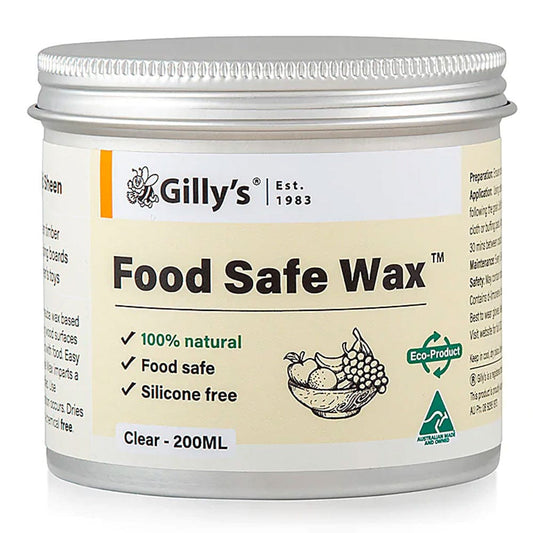
- To maintain: Apply a food-safe wax to nourish the wood and protect against cracking and absorption of gunk.
🪵 Biome Recommends: Gilly’s Food Safe Wax — made from natural beeswax and carnauba wax, perfect for baby toys. Simply rub on with a cloth, then buff off. Dries in 20 minutes. No synthetic nasties.
6. Freezer or Sunlight (No Effort Germ Busters)
Nature’s own disinfection toolkit:
- Freezer: Seal soft toys in a bag, freeze overnight to kill dust mites.
- Sunlight: A few hours in direct sun helps freshen and dry.
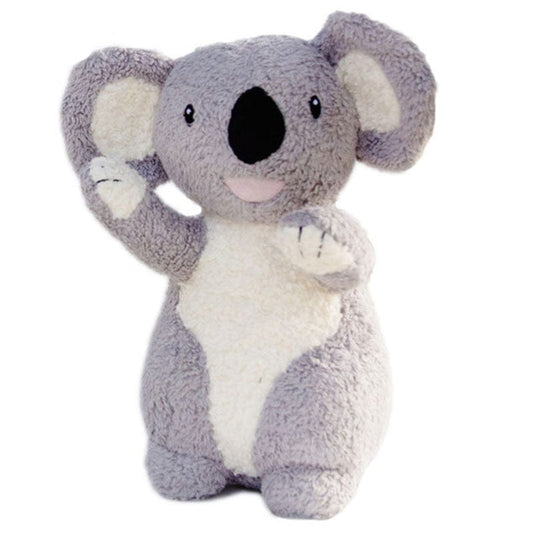
🌤 Biome Fave: The Tikiri Organic Cotton Koala Plush is a cuddle-safe softie made from GOTS-certified cotton — easy to freeze, sun-dry, or spot clean.
Bonus: After-Clean Baby Skin Care
Once the toys are clean, it’s worth giving a little thought to your baby's skin — especially with all the teething, drooling, and rubbing going on.
Here are three natural balms we trust at Biome for baby skin care — each gentle enough for newborn skin. Be sure to check out the 5 star reviews from happy parents and carers.
🌿 Biome CastorBub
A gentle zinc barrier balm made with castor oil, shea butter and apricot kernel oil. Helps protect delicate skin from moisture and irritation — ideal for nappy rash, chafing and everyday skin support.
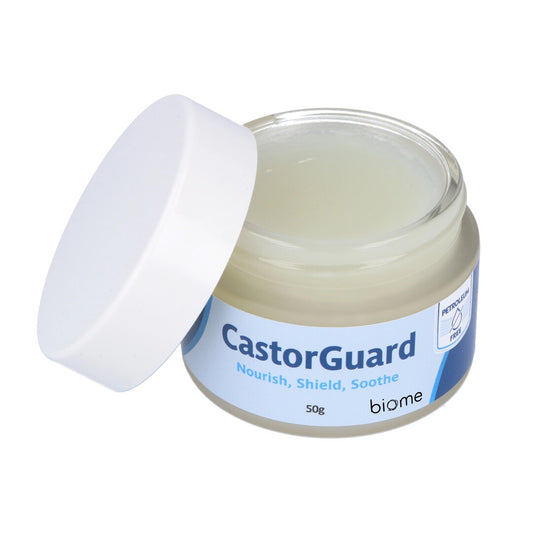
🛡️ Biome CastorGuard
A powerful moisture barrier made from just castor oil and beeswax. Ultra-pure, unscented, and great for drool rash or any irritated skin needing protection.
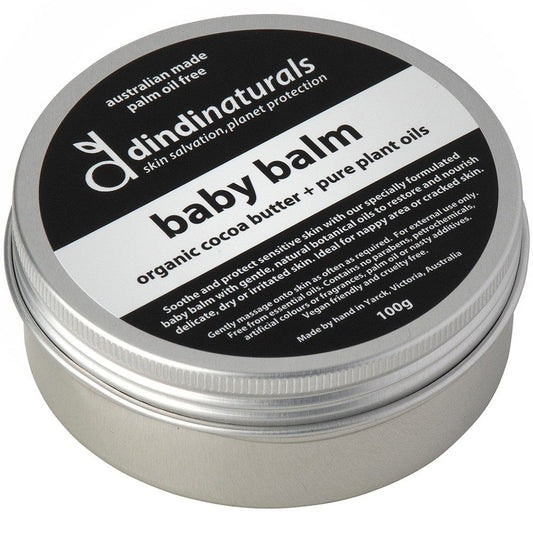
🌱 Dindi Naturals Unscented Baby Balm
A larger-size balm with calendula, coconut oil, and shea butter — free from fragrance, preservatives, and synthetics. Ideal for full-body use or massage.
🧴 None of these contain mineral oil, parabens, fragrance, or petrochemicals. Just honest ingredients doing what they’re meant to do.
In a Nutshell
- Skip: Bleach, mystery sprays, strong essential oils
- Use: Castile soap, vinegar, baking soda, sunlight, safe wax
- Choose: Natural materials from the start
You don’t need more stuff to clean — just smarter stuff. And when the toys are made to last (and made safe), the whole cleaning job becomes easier too.
Explore our plastic free toy collection
Frequently asked questions
How often should I clean my baby’s toys?
Toys that go in the mouth — like teethers or comfort toys — are best cleaned daily. For everything else, a weekly clean is usually enough, with a deeper disinfect after illness, playdates, or anything that’s had a run-in with the floor, dog bowl, or pram basket.
Is vinegar really enough to disinfect toys?
Vinegar has natural antibacterial properties and works well for everyday disinfecting of hard surfaces. For most home use, it’s a simple and effective option. After illness or for higher-risk situations, combining thorough cleaning with heat (like hot water or the dishwasher, where suitable) can offer extra peace of mind.
Can I use essential oils to clean toys?
Essential oils can be helpful in some cleaning routines, but they need to be used carefully. Many aren’t suitable for babies or pets, especially in strong concentrations. For toys that go near the mouth, it’s usually safest to stick with simple options like soap, water, or vinegar.
What’s the safest way to clean wooden toys?
Wooden toys shouldn’t be soaked, as excess moisture can cause swelling or cracking. Instead, wipe them with a damp cloth and a little gentle soap, then dry thoroughly. Occasionally applying a food-safe wax can help protect the surface and keep the wood in good condition.
Do I need to disinfect toys every day?
In most cases, no. Regular cleaning is enough for everyday use. Disinfecting is more useful after sickness, shared play, or when toys have been exposed to particularly dirty environments. Keeping a simple, consistent routine is more important than over-sanitising.
Related Reads from Biome
The Ultimate Non-Toxic Baby Essentials Guide
4 Hidden Toxins in Baby Products
Best Baby Wash for Sensitive Skin
Nappy Rash Worries? CastorBub Is Here For Your Baby’s Delicate Skin
Barrier Creams Explained: From Baby Bottoms to Beauty Counters
From Bump To Baby: Brisbane's Number One Natural Baby Shop