




First published June 2022. Updated in March 2026.
What you do makes a difference, and you have to decide what kind of difference you want to make.
- JANE GOODALL
Most households with a baby go through a surprising number of wipes — but what are baby wipes actually made of, and are they bad for the environment?
Most disposable baby wipes are made from two things: the wipe cloth itself, and a water-based cleansing solution that keeps it moist. While they can look simple on the surface, the full picture is often a little more complex.
Marketing phrases like “99% water” or “pure” can make wipes sound minimal, but that usually refers to the liquid only — not the material of the wipe itself.
What are baby wipes made of?
Disposable baby wipes are made up of two main parts: the cloth itself, and the cleansing solution that coats it.
The cloth
The cloth used in baby wipes is usually made from cotton fibre, bamboo fibre, or non-woven fibres. Most commercial baby wipes are made from non-woven materials, with polyester being one of the most common fibres used.
Polyester is a synthetic fibre derived from petrochemicals, which means it behaves more like plastic than a natural material. It does not readily biodegrade, which is one of the reasons many disposable wipes linger in landfill and the environment for a very long time.
As it currently stands, brands do not always have to clearly disclose the exact materials used to make the wipe cloth. That can make it difficult to tell whether a wipe is mostly plant fibre or mostly synthetic.
More considered disposable options may use bamboo fibre or organic cotton, which are generally a better choice if you are trying to avoid plastic-based materials.
The cleansing solution
The cleansing solution is what keeps a baby wipe moist and ready to use. It is usually water-based, but it also contains other ingredients that help the product clean effectively, stay preserved, and remain stable over time.
This may include:
- Surfactants – cleansing agents such as cocamidopropyl betaine and ceteareth-25 that help lift dirt and oils
- Water – often the main ingredient, and sometimes paired with soothing ingredients like aloe vera
- Preservatives – used to prevent mould and bacteria in a water-based product; examples include methylisothiazolinone, parabens, potassium sorbate, sodium benzoate and phenoxyethanol
- Emulsifiers – ingredients that help oil and water-based ingredients stay blended, including PEGs or polyethylene glycols
- Humectants – ingredients that help hold moisture and can support hydration, such as glycerin, glycol, silicones, lanolin and mineral oils
- Fragrance – added in some formulations to give wipes a pleasant scent
- Stabilisers – used to help balance pH, with examples including malic acid, sodium citrate, citric acid, oat extracts and aloe vera
Some wipes use simpler ingredients and plant oils like coconut or jojoba, while others rely more heavily on synthetic ingredients. Ingredient lists can vary a lot, even within products marketed as gentle or sensitive.
Are baby wipes plastic?
In many cases, yes.
Most baby wipes made from non-woven fibres contain polyester or similar synthetic materials. Even though they feel soft like cloth, those fibres are usually plastic-based.
This is why many disposable wipes do not break down easily.
Are baby wipes safe for babies’ skin?
Baby wipes are designed to be gentle, but not all formulations are the same.
For some babies, especially those with sensitive or reactive skin, certain ingredients can contribute to irritation. Fragrance, stronger cleansing agents, and some preservatives are among the most common reasons one wipe suits a baby better than another.
When skin is already irritated — for example during nappy rash — even small irritants can feel more noticeable. In those moments, simpler formulations and fragrance-free options are often worth considering.
Some parents also choose to alternate with plain water and cloth wipes, particularly at home or when caring for very sensitive skin. You can explore more in our Ultimate Non-Toxic Baby Essentials Guide.
What about the environmental impact?
Because many disposable baby wipes contain synthetic, plastic-based fibres, they do not readily biodegrade. Instead, they can sit in landfill for years and may also contribute to pollution when they end up in waterways or the natural environment.
Many conventional wipes rely on petrochemical-based fibres, which is where much of the concern comes from. That does not mean every wipe is the same, but it does mean the material of the cloth matters just as much as the ingredients in the liquid.
If you are specifically wondering how long baby wipes take to break down, we explore that in more detail here: How long do baby wipes take to decompose?
For those looking for a lower-impact option, reusable baby wipes offer a simple alternative. They're safer for your baby and for our planet, so everyone wins!
A simpler alternative
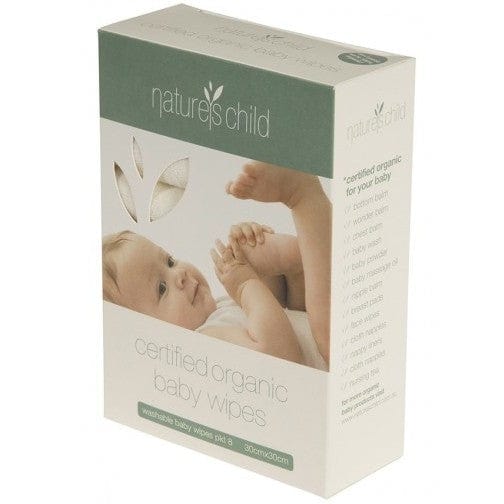
For households looking to reduce both waste and ingredient exposure, reusable cloth baby wipes can be a practical alternative.
Reusable baby wipes are often made from organic cotton or bamboo and can be used wet or dry. Many parents use them with plain water, while others pair them with a very simple cleansing solution like castile soap.
They are often softer on delicate skin, reduce the need for single-use products, and can be washed and reused again and again.
Here's a more practical look at how how reusable wipes work, how to use them, and how to wash them.


FAQs
What are baby wipes made of?
Most baby wipes are made from a combination of a non-woven cloth, often containing polyester or other synthetic fibres, and a water-based cleansing solution with ingredients like preservatives, surfactants and stabilisers.
Are baby wipes plastic?
Many disposable baby wipes contain plastic-based fibres like polyester. Even though they feel soft like fabric, they do not behave like natural materials and do not break down easily.
Are baby wipes safe for babies’ skin?
Baby wipes are designed to be gentle, but some ingredients, particularly fragrance, certain preservatives, and stronger cleansing agents, can cause irritation for sensitive skin. Simpler, fragrance-free options are often a better match for delicate skin.
Are baby wipes biodegradable?
Most conventional baby wipes are not fully biodegradable due to their synthetic fibre content. Wipes made from bamboo or organic cotton may break down more easily, but it is always worth checking specific certifications.
How long do baby wipes take to decompose?
Disposable baby wipes made with synthetic fibres can take many years to break down.
Can you flush baby wipes?
Most baby wipes should not be flushed, even if labelled "flushable", as they can contribute to blockages in plumbing and wastewater systems.
What is a natural alternative to baby wipes?
Reusable cloth wipes made from materials like organic cotton or bamboo are a simple alternative. They can be used with water or a gentle solution and washed for repeated use.
Are “water wipes” actually just water?
Not always. While water is usually the main ingredient, most wipes still contain preservatives and other ingredients to keep them stable and safe to use.
Related Reads
The Ultimate Non-Toxic Baby Essentials Guide
4 Hidden Toxins in Baby Products
Safe, Organic Baby Products in Australia
Best Baby Wash for Sensitive Skin
Nappy Rash Worries? CastorBub Is Here For Your Baby’s Delicate Skin