




Originally published January 2023, updated October 2026.
Peppermint oil has been used through the ages for medicinal, cosmetic and food preparation purposes. It has an invigorating, uplifting aroma and is a favourite in aromatherapy to help create energy. But did you know that it is effective for natural pest control?
Peppermint oil is a great alternative to the mainstream harsh chemical and plastic packaged pest control options. Let's have a look at some of the problems associated with mainstream pest control, and why peppermint oil is one of the most effective essential oils as a natural pest control solution for repelling the creepy crawlies.
Quick answer: Does peppermint oil work for pest control?
Peppermint oil’s strong, minty scent can interfere with the scent cues certain pests use to find food and navigate, helping deter some creepy crawlies. A useful plant-based addition to your pest-prevention routine - pair it with sealing gaps, clearing crumbs and keeping food covered.
What are the concerns with mainstream pest control?
Chemical pest control options have proliferated in modern times due to their efficacy in killing pests rapidly. But these chemicals can be harmful to humans and other animals through several ways:
- Oral entry: This can occur through droplets of chemicals on the food we eat and the liquids we drink. It also occurs when our hands are near or in our mouths if our hands have been exposed to the chemicals.
- Respiratory entry: Sprays, vapours or powders can be breathed in.
- Dermal entry: Spray can land on the body or enter the eyes, and some chemicals can be absorbed through the skin.
Pesticide approvals and health concerns
According to the World Wildlife Fund (WWF), there is a huge list of chemical pesticides approved for use in Australia, some of which are banned by the EU.
To quote the WWF: “In Europe pesticides have to be proven safe - in terms of human health, residues in the food chain and the environment - in order to be allowed in the European market”. Australia doesn't apply the same precautionary approach.
One of the most common chemicals found in Australian pest control products, Permethrin, is prohibited in the EU. It is classified as likely carcinogenic to humans.
What about mothballs?
Another common household insect repellent is Naphthalene. This is the ingredient in mothballs. The Australian Government has taken action on Naphthalene due to Paediatricians' warnings that it can cause damage to blood cells (more info here). It can cause a condition called Haemolytic Anaemia.
In new born babies, exposure to this substance can cause brain damage. The warning from doctors is to restrict usage around children under three. You can be exposed to the toxicity just from inhaling naphthalene vapours. It's enough to make your skin crawl!
Packaging and environmental impact
Of concern to the environment is also the plastic containers that household pest control products come in. Think cockroach baits and moth-repellent strips for the wardrobe. They generally end up in landfill.
In addition to potential health effects, chemical pest control methods can contribute to resistance in insects and contamination of the environment.
Choosing a targeted approach, and preventing pests in the first place, can help reduce unnecessary use.
How does peppermint oil work for pest control?
There is often a natural solution to many household quandaries, such as essential oils like peppermint oil, studied for its potential to deter pests.
Peppermint oil's powerful, minty fragrance comes largely from menthol and menthone, natural fumigants through smell. Insects rely heavily on scent to find food and navigate, and these compounds can interfere with how certain pests respond to their surroundings. Insects and rodents' smell receptors pick up on the compounds and are repelled effectively.
Peppermint oil is commonly suggested as a natural deterrent for ants, spiders, mosquitoes, cockroaches, mice and aphids. Research supports repellent effects in some species under test conditions, but results depend on the species, concentration and formulation.
Keeping ants away from food
Uninvited guests at your picnic? Keeping food sealed and clearing crumbs and spills is a simple place to start. For more practical ideas, read our 10 simple ways to keep ants away when camping →
How to use peppermint oil in natural pest control
Peppermint oil on cotton balls
The key here is to use enough of the oil to repel. The stronger the smell the better. Apply at least 5 drops of peppermint oil to each cotton ball and place in various locations around the house to repel insects and rodents.
Place the oil in areas where rodents gain access to the inside of your home. It's important for them to detect the smell before entry. It masks the pheromone trail of rodent excreta that then attracts other rodents and shows them the ‘pathways’ in your home.
Refresh the cotton balls at least once a month.
Growing mint in the garden
Mint is a lovely addition to a kitchen garden, with fragrant leaves for cooking and drinks. Plant some mint in the garden to repel pests from plants and vegetables.
Try it in a pot to keep its spreading growth contained.
Making a peppermint oil spray
Searching for how to make peppermint spray for bugs? Make a spray for rodents and insects, to spray on floorboards or entry points around the home.
For a small homemade peppermint spray:
- one spray bottle
- 10-15 drops of peppermint essential oil
- 1 cup of water (approximately 240ml)
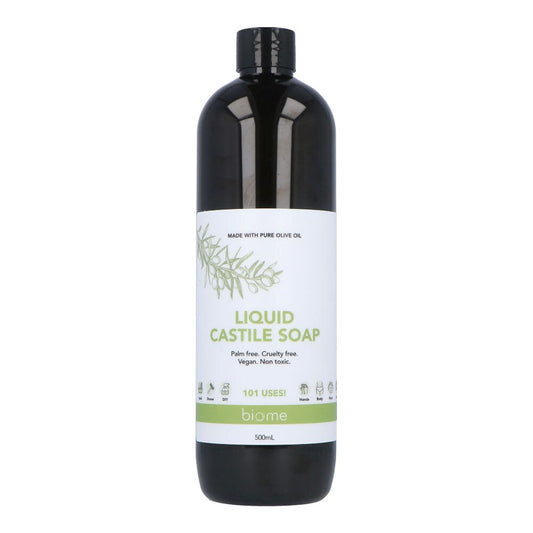
- 1 teaspoon of palm oil free castile soap to help emulsify the mix
Add to a spray bottle and shake thoroughly before each use. The soap helps disperse the oil, but the mixture may still separate.
Cleaning with peppermint
Use a natural cleaner that contains peppermint oil, which not only cleans glass and mirrors exceptionally well, it naturally repels flies with the peppermint oil it contains.
Choose one formulated for the surface you are cleaning, whether that is glass, mirrors or kitchen benches. Cleaning up spills and crumbs also removes food sources that attract pests.
A little prevention goes a long way. Keep your home less inviting to unwanted visitors, choose products thoughtfully and enjoy peppermint for its wonderfully fresh scent.
We hope this has inspired you to practice natural pest control. It is a healthy yet invigorating way to send a clear message to creepy crawlies to stay out!
A little bottle with plenty of possibilities

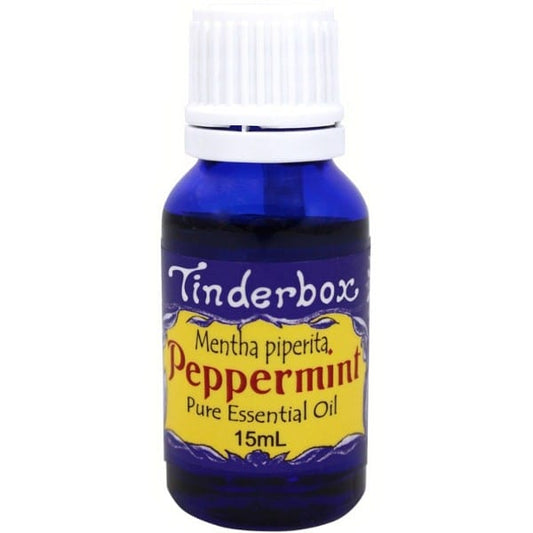
Meet your minty little helper. Biome Peppermint Essential Oil is 100% pure, with no dilution or fillers. Explore peppermint as a plant-based pest deterrent, then enjoy its fresh, invigorating scent in your diffuser or suitable DIY blends.
One handy bottle, plenty of everyday uses.
What else helps keep pests away?
- ✓ Store food, including pet food, in sealed containers.
- ✓ Wipe up crumbs and spills promptly.
- ✓ Empty bins regularly and keep lids closed.
- ✓ Repair flyscreens and seal gaps around entry points.
- ✓ Identify the pest before choosing a treatment.
You can also explore our pest-control collection for products suited to particular pests.
Frequently asked questions about peppermint oil for pest control
Can I use peppermint oil in a diffuser?
Yes, for its fresh, invigorating aroma, following your diffuser's instructions. Diffusing it is not a proven way to protect a room from pests.
Is peppermint oil safe around children and pets?
Essential oils are concentrated and need care. Store them out of children's reach, avoid swallowing them or applying them undiluted to skin, and check with your vet before using them around pets.
Related reads
10 simple ways to keep ants away when camping
What Can You Clean With Eucalyptus Oil?
Further reading and sources
http://www.health.nsw.gov.au/environment/factsheets/Pages/naphthalene.aspx https://www.ncbi.nlm.nih.gov/pubmed/19551736 https://www.ajol.info/index.php/tjpr/article/viewFile/93279/82692 https://apvma.gov.au/node/11781