




Originally published September 2022, updated August 2026.
Soap berries are a natural, hypoallergenic, grey water safe, palm oil free and vegan household cleaning solution that actually works. But what many people in Australia don’t know is just how multipurpose they are.
Also known as soapberries or soap nuts, their shells naturally contain saponin, which acts as a surfactant when released into water. You can place the dried shells directly into your washing machine or turn them into a versatile soap berry liquid for cleaning around the home.
Read on for complete instructions on using soap berries for laundry, making soap berry liquid and seven practical ways to use them around the home.
How to use soap berries for laundry and around the home
Wondering what you can actually do with soap berries? Laundry is their most popular use, but the same simple berries can be used for soaking and handwashing clothes, washing dishes and even making a multipurpose soap berry liquid for cleaning around the home.

1. How to use soap berries for laundry
Using soap berries in the washing machine is simple:
- Place the equivalent of five whole soap berry shells into the small cotton wash bag provided.
- Add the bag directly to your washing machine with your laundry.
- Cold water is suitable for lightly soiled clothes. For dirtier loads, use warmer water around 40–60°C to help release the natural saponin.
- Remove the bag at the end of the wash and allow the soap berries to dry.
- Reuse the same shells for approximately four more loads, or until they become thin and brittle.
Tip: Soap berries release saponin better in warmer water, which is why warm water is particularly useful for dirtier loads.
Soap berries can be used in both front-loading and top-loading washing machines.
If you would like to add fragrance to your washing, add a few drops of your favourite essential oil to the wash bag. You can also use That Red House Laundry Tonic for a naturally scented, low-waste laundry routine. Find the Laundry Tonic here >
How do you know when soap berries are finished? Once the shells look squishy on the inside and become thin and brittle when dry, they have reached the end of their useful life. Simply add them to your compost or bury them in the garden to break down naturally.
2. How to make soap berry liquid
Soap berry liquid — sometimes called soap berry tea or mother broth — is an easy way to turn soap berries into a multipurpose cleaner for use around the home.
To make soap berry liquid:
- Add 25g of soap berries to 500ml of water, or 50g per litre.
- Bring to the boil and simmer for 15–20 minutes.
- If desired, stir in one teaspoon of citric acid per litre of starting water. This helps as a preservative, as does adding some essential oils.
- Allow the liquid to cool.
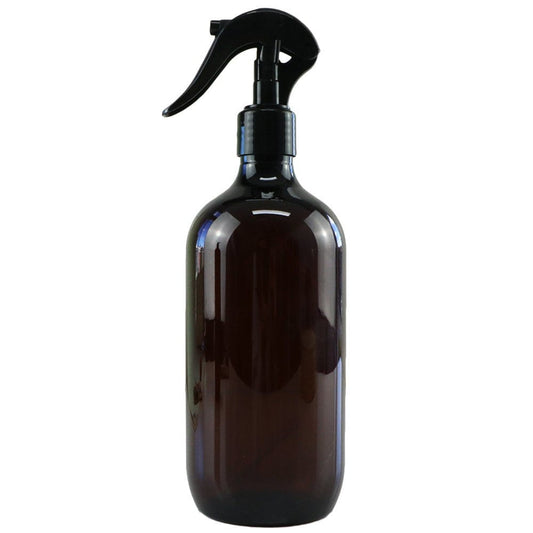
- Strain out the soap berries and transfer the liquid to a jar or spray bottle.
Tip: Avoid repeatedly boiling the same soap berries as this will reduce their useful life.
As this is a natural product, it will need to be used quickly to avoid spoiling. Keep a small amount in a bottle for daily use and store the rest in the fridge to extend its life.
Soap berry liquid can be used for dishwashing, cleaning the bathroom and kitchen, cleaning glass and stainless steel, pre-treating laundry stains and more.

3. Soap Berries for Soaking, Handwashing and Camping
Soap berries can also be used for soaking clothes, washing delicates by hand or doing laundry while camping.
Add the soap berries to a tub or bucket of warm water and agitate the water to encourage the saponin to release. Add your clothes and wash or soak as required.
Can you use soap berries while camping? Yes. Soap berries are lightweight and convenient for handwashing clothing while travelling or camping. However, no cleaning product—including one that is natural and biodegradable—should be used directly in creeks, rivers or lakes.
Carry water away from its source and allow the wastewater to filter through soil. Leave No Trace recommends washing and disposing of wastewater at least 60 metres away from streams and lakes. See its guidance for disposing of wastewater responsibly
4. Soap berry dishwashing liquid
You can use the soap berry liquid above for handwashing dishes, or use the berries directly in the sink.
Place the equivalent of four whole soap berry shells in the small cotton wash bag provided. Fill the sink with warm water and agitate the bag through the water to release the saponin, then wash your dishes as normal.
For a stronger liquid made especially for washing dishes, follow our DIY soap nut dishwashing liquid recipe.
5. Soap berries for glass and stainless steel
For glass and stainless steel cleaning, mix approximately two-thirds soap berry liquid with one-third vinegar and add a few drops of antiseptic essential oil, such as tea tree or eucalyptus.
Add the mixture to a spray bottle, spray onto the surface as required and wipe clean with a cloth.
6. Soap berry shampoo or body cleanser
Soap berry liquid can also be thickened to make a simple cleanser. Add a small amount of guar gum to the prepared liquid and mechanically blend, adding more gradually until you reach your preferred consistency.
Store it in a suitable container and use promptly.
7. Soap berry shaving cream
For a simple soap berry shaving mixture, combine prepared soap berry liquid with a small drizzle of olive oil or another preferred moisturising oil. Add some essential oils if wanted, then blend immediately before using.
The foam does not remain for long, so this is best prepared directly before shaving.
What are soap berries?
Soap berries, sometimes called soap nuts although they are not actually nuts, are the fruit of the Sapindus mukorossi tree. This tree grows in several regions of the world but is most prevalent in the Himalayas. The berries are picked before the fruit shells are collected, dried and packed for use.
The shells naturally contain a substance called saponin, which acts as a surfactant and helps water lift dirt from fabrics and surfaces. As a minimally processed plant product, soap berries offer a simple alternative to conventional laundry detergents.
Using them can also help to:
- Reduce plastic and packaging waste—the berries come in a reusable calico bag.
- Provide a plant-based, biodegradable option suitable for grey water and septic systems.
- Avoid palm oil and animal testing.
- Clean several loads with the same shells before returning them to the compost or garden.
Soap berries are also economical, naturally fragrance free and wonderfully versatile around the home.
Want to explore all the benefits, see what they wash best and understand how they compare with conventional detergent? Read Soap Berries vs Laundry Detergent: Which Is Better? or Do Soap Berries Really Work? Customer Reviews & Results
Ready to try soap berries?
One bag of soap berries can take you from laundry day to everyday cleaning around the home. They're reusable for multiple washes, naturally contain cleaning saponin, and when the shells are finally spent, they can simply be returned to your compost or garden.
Shop soap berries and natural soap berry laundry products at Biome →
Recipes above adapted from information supplied by That Red House. Image: @that_red_house
FAQs about soap berries
Will soap berries damage a washing machine?
Soap berries are suitable for normal washing machines and naturally produce very few suds. Keep the shells secured inside the small cotton wash bag provided and remove the bag when the cycle is finished.
Can you use soap berries on delicate fabrics?
Yes. Their gentle, naturally fragrance-free cleaning action makes soap berries a useful option for many delicate fabrics and handwashing. Always check the garment’s care label first, particularly for fabrics that require specialist cleaning.
How should unused soap berries be stored?
Keep dried soap berry shells in a cool, dry place and protect them from moisture. Allow the wash bag and used shells to dry between loads before storing or reusing them.
Can you use soap berries in a front loader?
Yes. Soap berries can be used in both front-loading and top-loading washing machines. Place the soap berry shells inside the small cotton wash bag and add the whole bag directly to the washing machine with your clothes.
Can you use soap berries with a septic system?
Yes, soap berries are biodegradable and suitable for use with septic systems and grey water, making them a useful alternative for households looking to reduce conventional laundry products.
Can soap berries be used in the dishwasher?
Soap berries are commonly used for handwashing dishes, either as prepared soap berry liquid or by agitating the berries in warm dishwashing water. There are varying reports about their effectiveness in dishwashers, so we prefer them for handwashing dishes.
Related reads
How to Make Soap Nut Dishwashing Liquid: DIY Recipe
Soap Berries vs Laundry Detergent: Which Is Better?
Do Soap Berries Really Work? Customer Reviews & Results
6 Ways to Wash Clothes Without Plastic and Harmful Ingredients