



First published in 2022 and updated in 2026.
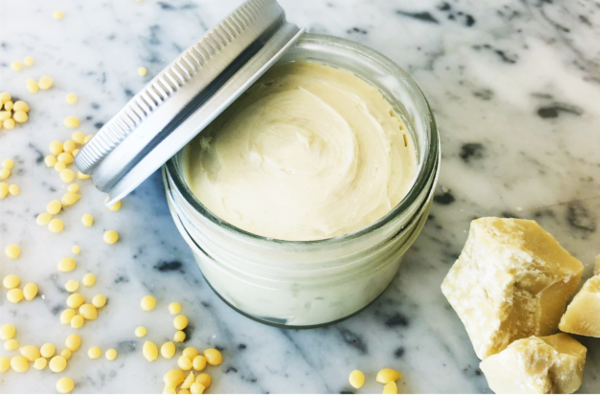
Our vegan, bi-carb free DIY natural deodorant paste is a dream to apply and leaves underarms soft, protected and odour free.
This simple, vegan recipe uses nourishing butters, antibacterial coconut oil, and absorbent powders to create a creamy, effective natural deodorant that works with your body — not against it.
If you’ve found natural deodorants too firm, crumbly, or irritating, this recipe is for you. It’s designed to glide on smoothly, absorb moisture, and support odour control — without bi-carb soda, which can sometimes cause irritation.
What ingredients do you need for DIY vegan natural deodorant?
This recipe makes enough to fill a 120ml glass jar.
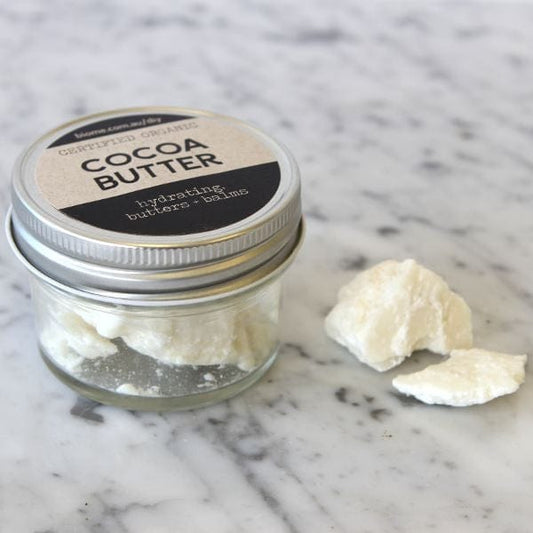
- 30g cocoa butter
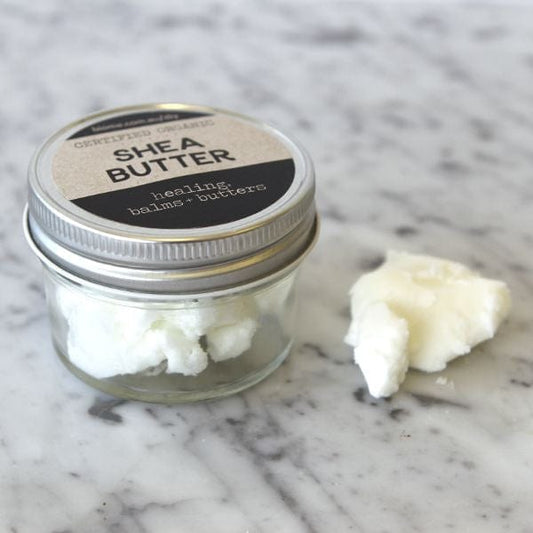
- 20g shea butter
- 20g coconut oil
- 3g candelilla wax
- 15g arrowroot
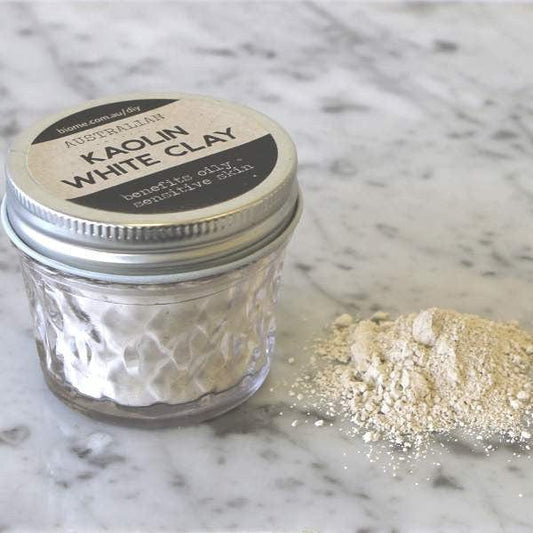
- 5g white kaolin clay
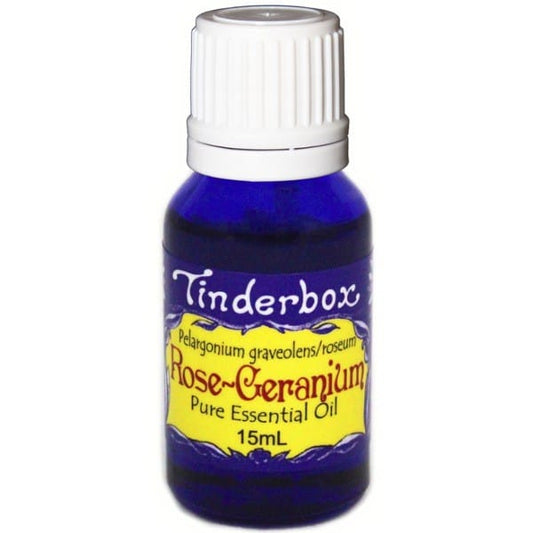
- 24 drops essential oils of your choice (we like to use 6 drops each of patchouli, ylang ylang, rose geranium and bergamot essential oils for their combined antimicrobial, antiseptic, antibacterial and antifungal properties, and fresh smelling scent)
You will also need a saucepan, glass jug, spatula and a 120ml glass jar.
It’s recommended to patch test each ingredient first, especially if you have sensitive skin or are using essential oils.
How to make your own DIY vegan natural deodorant
Step 1: Add the cocoa butter, shea butter, coconut oil and candelilla wax into a glass jug. Place the jug into a saucepan filled with approximately 6cm of water. Heat gently and stir until melted.
Step 2: Remove from heat and allow to cool for about 30 minutes, stirring occasionally.
Step 3: Add the arrowroot powder and kaolin clay. Mix thoroughly until smooth and lump-free. Continue mixing until you have a smooth, lump free consistency, like runny custard.
Step 4:Stir in essential oils.
Step 5: Place in the fridge for 10–15 minutes to firm slightly. Keep an eye on it to ensure it doesn't harden too much. You will need to whisk it shortly.
Step 6: Remove from the fridge and whisk rapidly until you reach a thick, creamy consistency. If it needs further hardening, place it back in the fridge for another 3-5 minutes. Remove and whisk again. You should have a thick but creamy paste.
Step 7: Spoon into your glass jar and allow to fully set before sealing. Leave to cool and set completely before putting the lid on.
How do you use DIY vegan natural deodorant?
Apply a small amount to clean, dry underarms using your fingers or an applicator. Rub in until invisible.
- Allow to absorb before dressing
- Avoid applying straight after shaving if your skin is sensitive
- Use a clean applicator to extend shelf life
- Store in a cool, dry place out of sunlight
- Use within 6 months
This DIY deodorant is not an antiperspirant. It will not stop sweating, but is designed to help manage odour and moisture naturally.
Is DIY vegan deodorant good for sensitive skin?
This recipe is bi-carb free, which can make it a gentler option for sensitive skin. However, irritation can still occur due to essential oils, friction, shaving, or applying too much product.
If your skin feels sore or reactive — or your deodorant just isn’t working as expected — read our guide to common natural deodorant problems and how to fix them.
If irritation is your main concern, you may also like our guide to the best natural deodorant for sensitive skin.
Not ready to make your own? Choose our ready made solutions
Prefer something simple and ready to go? These natural deodorants are tried, tested, and loved — no mixing required.

Biome Natural Deodorant Cream Unscented Best for: Sensitive skin, fragrance-free Why it stands out: Gentle, bicarb-free formula. A reliable everyday option for easily irritated underarms. |
Best for: Easy application, liquid formula lovers Why it stands out: Smooth roll-on texture with magnesium-based odour control. |
Best for: Strong odour control Why it stands out: A cult favourite for long-lasting odour protection. |
 Noosa Basics Roll-On Deodorant
 Black Chicken Axilla Paste
FAQs: DIY vegan natural deodorant
Does DIY natural deodorant actually work?
Yes, when made with ingredients that absorb moisture and target odour-causing bacteria, DIY deodorant can be very effective.
Why is my DIY deodorant too hard or too soft?
This usually comes down to temperature and ingredient ratios. Coconut oil and butters soften in warm weather and firm in cooler temperatures.
Is this deodorant suitable for sensitive skin?
This recipe is bi-carb free, which may suit sensitive skin, but essential oils or friction can still cause irritation.
Can I make this without essential oils?
Yes. You can leave them out for an unscented version.
How long does DIY deodorant last?
Store in a cool, dry place and use within 6 months.
Related Reads
Homemade deodorant in 10 minutes
The best natural deodorants in Australia and how to choose one that works
Best natural deodorant for sensitive skin
Common natural deodorant problems and how to fix them
How to avoid natural deodorant rash
Disclaimer
As with all DIY recipes, results can vary depending on factors like temperature, humidity, light, and ingredient quality. Some recipes can be adjusted (e.g. remelted or modified), while others cannot — please read the full recipe before starting.
Before using any raw ingredient, research its benefits, safety precautions, and potential side effects. If you have concerns, consult your medical professional. If you have sensitive skin, acne, or a health condition, seek medical advice before using new products — whether DIY or store-bought.
Use essential oils with care. They are highly concentrated and should always be diluted, never ingested, and patch tested before use. If you are pregnant, have a health condition, or take medication, consult your doctor before use.
Biome cannot offer refunds if your DIY skin, hair, or body care product doesn’t perform as expected.