



A Simple Guide to This Plastic-Free Cleaning Swap

Doing the dishes is a daily ritual for just about everyone! But the product we use—whether squeezed from a plastic bottle or rubbed off a solid bar—can make a surprising difference to our skin, our home, and the planet.
Dishwashing soap bars are one of those small switches that can quietly transform your routine. If you're curious about what they are actually made from, how they work, and why so many eco-conscious households are embracing them, this guide is for you.
What is a dishwash soap bar?
A dish soap bar is simply a concentrated block of solid soap formulated to cut through grease and grime. Unlike typical dishwashing liquid (which is mostly water packaged in plastic), these bars are waterless and have minimal packaging.
You use them just like bar soap—only instead of lathering onto your hands or body, you’re loading up your dish brush, cloth, or sponge.
And unlike traditional detergents, they don’t release synthetic surfactants or questionable preservatives down the drain.
What are dish soap bars made from?
Most dish soap bars are made from plant-based oils (like coconut or olive), water, and lye (sodium hydroxide)—which transforms the oils into soap via saponification. That’s the traditional method of soap-making, and it’s remarkably effective.
At Biome, we only stock bars that are free from palm oil and petrochemical derivatives. This matters because palm oil production—particularly in South East Asia—continues to drive deforestation, habitat loss, and human rights abuses.
Are there different types?
Yes. Not all dish soap bars are created equal. In fact some are synthetic and made from petroleum instead of plant oil.
If you’re looking for a direct comparison, head over to our real-world review post, What Makes the Best Dish Soap Bar? where we test and compare them side by side.
Our favourite palm oil free dish soap bars

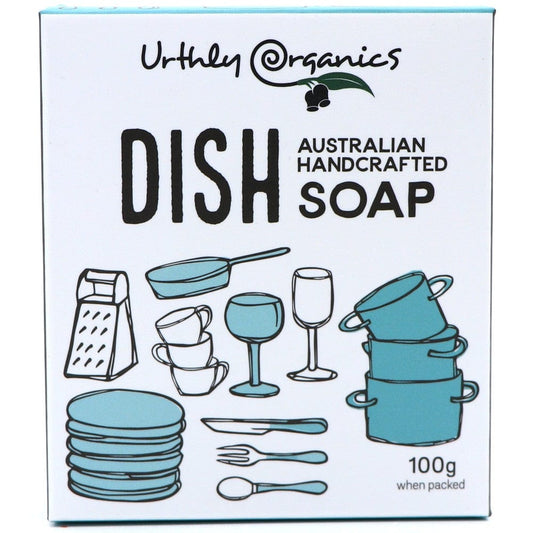
A long-time Biome favourite for good reason. This solid dishwashing block cuts through grease effortlessly, lasts for months, and replaces multiple plastic bottles of liquid detergent. Simple, effective, and completely palm oil free. Plus, with no harsh detergents or synthetic fragrances, it's gentle on sensitive skin. No more red rashy hands!

Naturally scented with eucalyptus and lemongrass, this bar includes added bicarb to boost cleaning power. It’s a lovely option if you enjoy a fresh, subtle scent while washing up — without synthetic fragrances or palm oil.
Shop all dish soap bars
How to use a dish soap bar?
It’s beautifully simple.
- Wet your soft bristle dishcloth, sponge or brush.
- Swirl it gently on the soap bar until it lathers.
- Use those suds on the cloth or brush directly on to wash your dishes.
- Repeat as needed. You’ll notice that while the lather may be less bubbly than liquid soap, it’s no less effective. In fact, it cuts through oily residues impressively well.
- Lastly, rinse off the residue.
Using a soft bristle brush is important. Hard bristles will just scratch the bar and not lather properly.
Kitchen cleaning tools to pair with your soap bar
Dish soap bars work best with the right tools — a few thoughtful swaps can make your sink routine easier and more enjoyable.

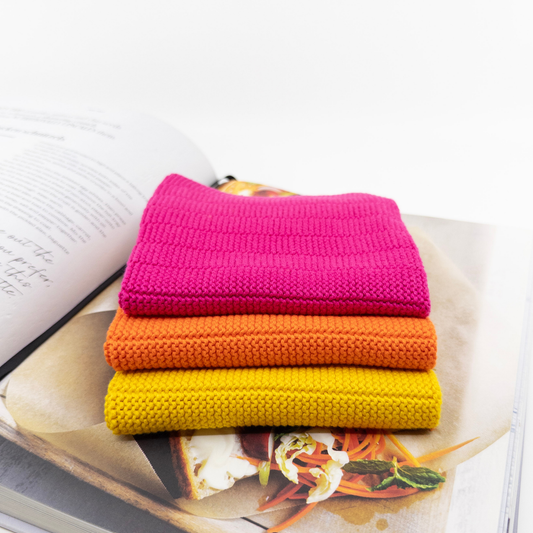
Swedish Dish Sponge Cloths – Ultra-absorbent, quick-drying, and compostable. A great replacement for paper towel and traditional sponges.

Biome Bamboo Pot Scrubbing Brush – Tough on stuck-on food, gentle on cookware. Best to use with our Biome Dish Soap Bar!

Green Essentials Cellulose Sponge & Coconut Scrubber - 3 Pack – A plant-based sponge and coconut fibre scrubber combo for dishes, cookware, benches, and everyday kitchen cleaning.

Ecovask Organic Dishcloths – Soft, durable, and made from organic cotton for everyday wipe-downs.
Are dish soap bars as effective as liquid soap?
Yes—and in many cases, even more so. Because you control the amount used (no squirting out half a bottle by accident), a bar can last significantly longer.
They're especially good at tackling grease thanks to their high soap content and the naturally degreasing properties of ingredients like coconut oil and lemon essential oil.
Where should I store my dish soap bar?
To keep your bar solid and long-lasting:
- Let it dry between uses.
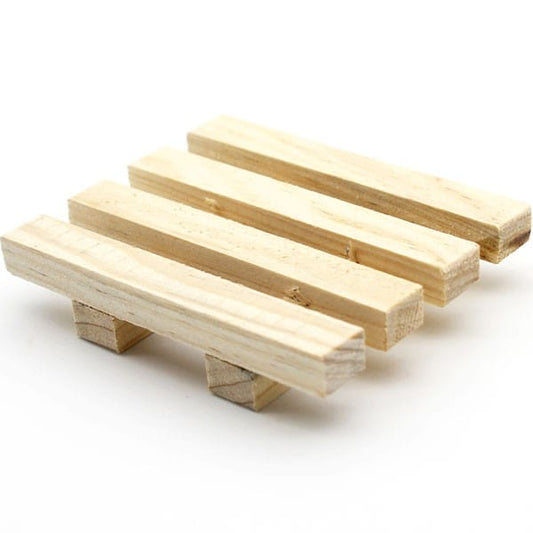
- Store it on a well-draining soap dish or soap rack (not sitting in water).
- Keep it away from direct water spray.
A dry bar is a happy bar—and will last much longer.
What else can be cleaned with a dish soap bar?
Surprisingly, quite a lot. Beyond your plates and cutlery, a dish soap bar can be used to clean:
- Kitchen benches
- Stainless steel cookware
- Reusable coffee cups and lunch boxes
- Cloth pads and reusable nappies (pre-wash)
- Your hands after gardening or cooking
Some people even take a small one camping or travelling—compact, leak-proof, and multipurpose.
Looking to remove more plastic from your kitchen sink? See our complete guide to washing dishes without plastic.
FAQ: common questions about using a dishwashing soap bar

Can you use a dish soap bar in a dishwasher?
No, dish soap bars are for hand washing only. They create suds that can overflow in a dishwasher and potentially damage the machine. For dishwashers, use a low-tox, biodegradable detergent specifically made for that purpose.
Is a dish soap bar safe for septic systems?
Yes—most natural soap bars, including those sold at Biome, are greywater safe and suitable for septic tanks. They’re free from synthetic antibacterials or harsh surfactants that could harm the bacteria balance in your system.
Will a dish soap bar dry out my hands?
Many people find natural dish soap bars gentler than conventional detergents, especially those made with nourishing oils like coconut or olive. But if you have very dry or sensitive skin, wearing gloves may still help—particularly in colder months.
Can dish soap bars remove burnt or stuck-on food?
They can, especially when paired with a good scrubber. For extra power, sprinkle a bit of bicarb soda directly onto the surface and then use your soap-lathered sponge or brush to lift the residue.
Do dish soap bars expire?
They don’t go “off,” but they can dry out or lose fragrance over time. Keep unopened bars in a cool, dry spot and store opened ones on a draining rack to prolong their life.
Can I cut my dish soap bar into smaller pieces?
Yes! Cutting the bar into halves or quarters can make it easier to use or take on the go (like for camping). Just use a clean kitchen knife and store unused pieces in a dry container.
Is a dish soap bar cheaper than washing up liquid?
While dish soap bars may have a slightly higher upfront cost than their liquid counterparts, they often last longer, making them a cost-effective choice in the long run.
Find everything you ever wanted to know about bar soap in our ultimate directory
Join The Bar Soap Revolution
Related Reads
How To Wash Dishes Without Plastic: Complete Guide
What Makes The Best Dish Soap Bar?
18 Ways To Use Pure Castile Soap
How To Make a Soap Bar Last Longer