




Originally published July 2025, updated September 2026.
If you’ve spotted moths or mysterious bald patches in your wool rugs or carpets, it’s a sign you need to act quickly. Moths can do serious damage fast- especially in quiet corners or under furniture where there’s little disturbance. And it can be costly, as one of Biome's Instagram followers commented "...cost me over $15,000 to replace the carpet!!!"
Here’s what I would do to stop the damage, treat the affected area, and most importantly, prevent it from happening further!
Quick answer: How do you get rid of carpet moths?
Act quickly. Vacuum the entire carpet or rug, paying close attention to edges, underneath furniture and other undisturbed areas. Treat affected rugs with sunlight or freeze smaller rugs for 72 hours, then use natural options such as diatomaceous earth or Huon pine carpet freshener. Continue vacuuming regularly, move furniture and monitor the area with moth traps to help prevent the larvae returning.
How do you get rid of carpet moths?
Once you have identified the signs, follow these four steps to stop the damage, treat the affected area and help prevent the moths returning.
Step 1: Identify the culprit
Wool-eating clothes moth larvae are likely to blame. Adult moths don’t eat—they lay eggs, and it’s the tiny larvae that do the chewing.
Look for:
- Small, beige-coloured moths fluttering close to the floor
- Silky webbing or white larvae on the carpet
- Irregular, worn or threadbare patches—especially in undisturbed, shaded areas
If you’re unsure what is causing the damage, read our guide to the difference between moths and silverfish.
Step 2: Vacuum thoroughly
- Vacuum the entire room, focusing on edges, under furniture, and any low-traffic areas.
- Use the crevice tool to get into baseboards and skirting boards.
- Vacuum both the top and underside of rugs if possible.
- Immediately empty the vacuum into an outdoor bin to prevent re-infestation.
Step 3: Treat the affected areas
- If you can lift the rug, place it in direct sunlight for several hours—heat and light help kill larvae.
- For smaller rugs, you can use the freezer method: seal the rug in a bag and freeze it for 72 hours.
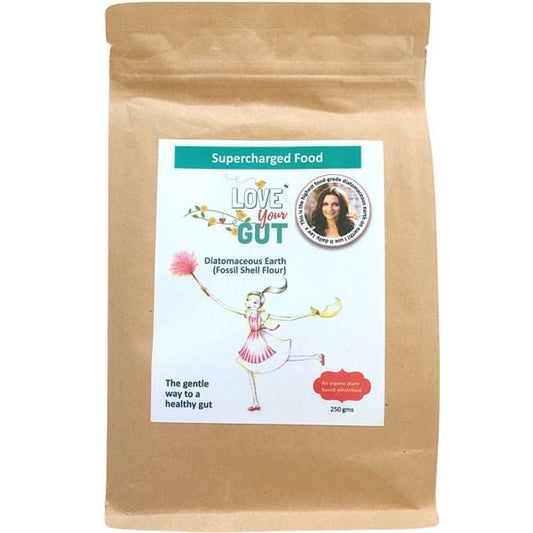
- Sprinkle the area with diatomaceous earth—a natural, non-toxic powder that damages larvae. Leave for 24–48 hours, then vacuum.
- You can also apply a natural Huon pine carpet freshener. It delivers a deep deodorising clean while leaving behind moth-repelling oils.
What should you use?
For an affected wool carpet or rug: Start with thorough vacuuming, then use Linii Huon Pine Carpet Freshener as part of your treatment and ongoing maintenance routine.
For a smaller rug: Seal it in a bag and use the 72-hour freezer method.
For carpet edges and spaces under furniture: Use Huon pine or cedarwood nearby after treating the infestation to help make these quiet areas less inviting to moths.
Step 4: Prevent future infestations
- Keep things moving: Moths prefer dark, undisturbed areas. Regular vacuuming is your best defence.
- Rotate furniture or rugs occasionally to expose hidden patches.
- Avoid storing clutter under furniture where woollen rugs are laid.
- Use natural moth repellents around the area (see list below).
- Refresh carpets and rugs every month or two with Huon pine freshener to leave behind protective scent compounds.
- Set up sticky moth traps to monitor new activity.
For a complete wardrobe and clothing prevention routine, read our guide to getting rid of and preventing clothes moths naturally.
Important: Natural moth repellents help make an area less inviting to adult moths, but they won’t replace the vacuuming and treatment steps above. Deal with the active infestation first, then use Huon pine, cedarwood or essential oils to help prevent moths returning.
How can Linii Huon Pine Carpet Freshener help protect wool carpets?

The Linii Huon Pine Carpet Freshener is a fantastic option for moth-prone carpets and rugs, particularly woollen carpets. It’s made from finely milled Huon pine shavings—an Australian timber known for its natural insect-repelling oils.
Why it’s useful
- Contains methyl eugenol, a naturally occurring compound that repels moths, silverfish and other pests
- The fine shavings penetrate carpet fibres, helping to reach hidden larvae
- Helps neutralise musty odours, a common sign of low ventilation or undisturbed areas
- Completely natural, non-toxic and safe for use around pets and people
How to use Linii Huon Pine Carpet Freshener
- After vacuuming, open the inner packaging and shake an even layer over the affected or musty area.
- Allow it to sit for 2 to 8 hours so the Huon pine can work its way in.
- Sweep off the excess with a dustpan and brush, then vacuum the rest.
- Reseal the tube to keep the product fresh.
- Repeat monthly or as needed to maintain protection.
🌿 Other natural moth deterrents for ongoing protection
You don’t need toxic sprays or chemical mothballs. These natural solutions help deter moths safely and sustainably. Find all the essential oils mentioned here.
Cedarwood
Cedar blocks, rings or shavings contain natural oils that moths hate. Tuck them near baseboards or under furniture.
Huon pine
Sustainably harvested from Tasmania, Huon pine is incredibly effective. Place shavings or blocks near affected areas. Read more above about how Huon pine helps.
Lavender
Sachets of dried lavender or a few drops of lavender essential oil help deter moths and add a lovely scent.
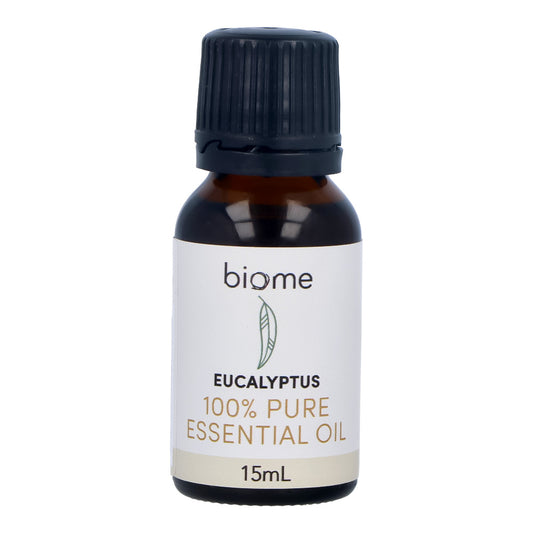
Eucalyptus
Use dried eucalyptus leaves or spray a mix of water and eucalyptus oil near the edges of carpets and under furniture.
Peppermint
A great all-rounder. Place cotton balls with peppermint oil in discreet corners near rugs or baseboards.
Clove and rosemary
Spicy and strong, both work well as part of a herb sachet mix. You can combine them with bay leaves or thyme too. Cut fresh herbs from your garden and dry first, or use essential oils for maximum strength.
Ready to protect your wool carpets and rugs?
Biome stocks a full range of natural moth repellents and safe cleaning tools to help treat affected areas and protect wool carpets and rugs without harsh chemicals. If you need help choosing the right combination for your space, just ask—we’re here to help.
Shop Huon Pine Carpet Freshener Shop natural moth protectionFrequently asked questions about carpet moths
Do moths eat wool carpets and rugs?
Adult clothes moths don’t eat carpet. They lay eggs in quiet, sheltered areas, and the larvae that hatch feed on keratin found in animal fibres such as wool. This can leave bald, worn or threadbare patches in wool carpets and rugs.
How can you tell if you have carpet moths?
Look for irregular bald patches, silky webbing, white larvae or small beige moths close to the floor. Damage is often most noticeable along carpet edges, beneath furniture and in other dark, undisturbed areas.
How do you get rid of carpet moth larvae?
Vacuum the entire room thoroughly, including carpet edges, skirting boards and underneath furniture. Treat affected rugs with direct sunlight or freeze smaller rugs for 72 hours. Diatomaceous earth or Huon pine carpet freshener can then be used as part of the treatment routine.
Is vacuuming enough to get rid of carpet moths?
Vacuuming helps remove moth eggs, larvae and debris, but one vacuum is unlikely to solve an established infestation. Vacuum repeatedly, treat affected areas and continue monitoring for signs of activity.
Can you freeze a wool rug to kill moths?
Yes, if the rug is small enough to fit safely in your freezer. Seal it inside a bag and freeze it for 72 hours, then allow the sealed bag to return to room temperature before opening it.
Why are carpet moths commonly found under furniture?
Clothes moths prefer dark, quiet areas where they won’t be disturbed. Carpet underneath furniture provides a sheltered place for moths to lay eggs and for their larvae to feed.
Can moth-damaged carpet be repaired?
Minor damage may be repairable by a carpet specialist, depending on the carpet and the size of the affected area. More extensive damage may require professional treatment, patching or replacement. Deal with the infestation before repairing the carpet so the damage doesn’t continue.
Related reads
How to prevent and get rid of clothes moths
Does freezing clothes kill moths? The 72-hour method
Silverfish vs moths: What’s the difference—and which oil should you use?
Are mothballs toxic? The truth about naphthalene mothballs
Why do clothes moths keep coming back? How to break the cycle