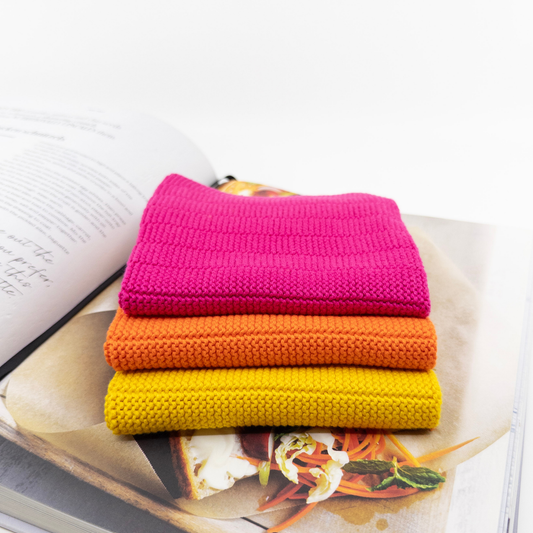





Reusable baby wipes are one of those small swaps that can quietly make everyday care a little gentler — for your baby’s skin and for the environment too, without the plastics, petrochemicals, or waste that come with disposable wipes.
Instead of reaching for a disposable wipe each time, these are soft cloth wipes you can use, wash, and reuse again and again.
What are reusable baby wipes made from?
Reusable baby wipes are typically made from natural fibres like organic cotton or bamboo.
These materials are soft, breathable, and durable enough to be washed regularly. They’re also often free from synthetic fibres, making them a better option for those looking to avoid plastic-based materials.
Because of this, they tend to feel gentler on delicate skin, particularly for babies who are prone to irritation or nappy rash.
How do you use reusable baby wipes?
Reusable wipes can be used in a few simple ways, depending on what works best for your routine.
- Use them dry and dampen with water as needed
- Store them pre-wet in a container
- Pair them with a gentle solution, such as diluted castile soap
At home, it can be easiest to keep a small stack nearby with a bowl of water. When you’re out, a small wet bag with a few damp wipes works well.
They can be used in exactly the same way as disposable wipes — for nappy changes, hands, faces, and everyday clean-ups.
Why choose reusable baby wipes?
Reusable cloth baby wipes are a gentle option for you, your little one and the environment.
Often made from non-toxic, hypoallergenic materials like organic cotton or bamboo, they can help reduce irritation while avoiding the plastics and petrochemicals found in many disposable wipes.
Because they’re reusable, they also reduce the need for single-use products in your home. Over time, they can be more cost-effective too — designed to last, rather than be replaced again and again.
Disposable baby wipes, by comparison, don’t readily break down. In many cases, they can take decades — or even up to a century — to decompose, and may contribute to pollution along the way.
If you’re curious about how long disposable wipes take to break down, you can read more here → How long do baby wipes take to decompose?
You can explore the full range of reusable baby wipes here
Reusable baby wipes we recommend

Nature’s Child reusable baby wipes
Soft organic cotton with a dual texture for gentle cleaning and absorbency. Designed for daily use and repeated washing.

Fibre for Good reusable cotton wipes
Lightweight, natural cotton wipes that are simple, versatile, and easy to use across everyday clean-ups.

Nature’s Child face wipes
Soft, smaller wipes ideal for faces, hands, and gentle everyday use beyond nappy changes.

Eco Vask wash cloths
Durable, multi-use cloths that work across baby care and everyday cleaning around the home.
How to wash reusable baby wipes
Washing reusable wipes is simple and can easily fit into your regular laundry routine. Be sure to check the washing instructions on your specific reusable baby wipe product and follow any specific steps there, too.
Step 1
Rinse or soak wipes in cold water after use. This helps prevent staining and makes them easier to wash.
Step 2
Wash in the machine, either on their own or with a regular load.
Step 3
Hang to dry, ideally in the sun, which can help naturally lift stains.
Use a gentle detergent
Avoid heavily fragranced or harsh detergents that leach chemicals into our waterways, and come into contact with your childs skin. A simple option like a laundry bar can work well for both pre-treating and washing.
Treat stains naturally
For tougher stains, oxygen bleach can be a helpful addition. It works by lifting stains without the use of chlorine-based bleach and is a more gentle option for fabrics.
Skip the dryer when possible
Line drying is not only more energy-efficient, but helps extend the life of the fabric.
A stainless steel sock hanger is perfect for hanging reusable baby wipes, cloths and other small baby clothing items.

Read more here on how to remove stains naturally.
A small shift that adds up
Reusable baby wipes won’t be the right fit for every moment — but even using them part of the time can make a difference.
Like many small swaps, it’s less about doing everything perfectly, and more about finding what works for your rhythm at home.
If you’re curious about what conventional wipes are made from and how they compare, you can read more here: What are baby wipes made of?
If you’re thinking more broadly about everyday baby products, our Ultimate Non-Toxic Baby Essentials Guide brings together simple, lower-tox options across daily care.
FAQ's
What are reusable baby wipes made from?
Reusable baby wipes are usually made from natural fibres like organic cotton or bamboo, which are soft, washable, and gentler on delicate skin.
How do you use reusable baby wipes?
They can be used dry and dampened as needed, stored pre-wet in a container, or paired with a very simple cleansing solution. They work just like disposable wipes for nappy changes, hands, faces, and everyday clean-ups.
Are reusable baby wipes better for sensitive skin?
They can be a good option for sensitive skin because they’re often made from softer, simpler materials and can be used with just water or a very gentle solution.
How do you wash reusable baby wipes?
Rinse or soak them in cold water after use, wash them in the machine, and hang them to dry. Sunlight can also help naturally lift stains.
What removes stains from reusable baby wipes?
Oxygen bleach can help lift tougher stains without the use of chlorine bleach. A laundry bar can also be helpful for pre-treating marks before washing.
Are reusable baby wipes worth it?
For many households, yes. They reduce waste, can be gentler on skin, and often work out to be more cost-effective over time than regularly buying disposable wipes.
Can reusable baby wipes be used for more than nappy changes?
Yes. They’re also handy for wiping hands, faces, and general everyday mess, which makes them a versatile swap to keep around the house.
Related Reads
How long do baby wipes take to decompose?
The Ultimate Non-Toxic Baby Essentials Guide
4 Hidden Toxins in Baby Products
Best Baby Wash for Sensitive Skin
Nappy Rash Worries? CastorBub Is Here For Your Baby’s Delicate Skin