




Wooden chopping boards are gentler on your knives, help you avoid petrochemical plastics in the kitchen, and are simply lovely to use and look at.
Wooden chopping boards can however dry out, crack and warp if not cared for properly. Hand washing with a mild natural detergent is important, but you also need to oil the board regularly with a food-safe plant oil. This simple habit can dramatically extend the life of your board and keep it looking beautiful for years.
Many of our customers tell us that a good chopping board oil makes their boards "look new again", gives them a "new lease of life", or "brings up the grain" after just one application.
First published February 2023. Updated June 2026.
Why do wooden chopping boards dry out?
Wood naturally loses moisture over time. Regular washing, exposure to sunlight, dry indoor air and daily food preparation can all strip natural oils from the timber.
When a board becomes dry, you may notice:
- A dull or faded appearance
- Rough patches
- Small cracks forming
- Warping or unevenness
- Stains and odours becoming harder to remove
Regular oiling helps replenish the wood, preventing moisture loss and keeping the board strong and stable.
How to oil a wooden chopping board
1. Remove stuck-on food gently
Use a dough scraper or metal spatula to gently scrape away any dried food residue.
2. Always hand wash both sides
Wash both sides of the board using a gentle natural dishwashing liquid or castile soap and your favourite dish sponge.
Never leave wooden boards soaking in water and avoid putting them in the dishwasher.
3. Oil the board when it looks dry or faded

When the timber starts looking dull, apply a food-safe chopping board oil.
Simply wipe the oil onto the surface using a soft cloth and allow it to soak in. Buff away any excess.
Customers often tell us they love how easily the oil applies, how quickly it soaks into the timber, and that it leaves no greasy residue. Many also comment on the subtle citrus fragrance and how it restores tired-looking boards.
4. Remove stains and odours naturally
Occasionally sprinkle coarse salt or bicarbonate of soda over the board and rub gently with half a lemon.
Rinse with hot water to help remove stains and lingering food odours.
Can chopping board oil restore an old wooden board?
In many cases, yes. While oil can't repair deep damage or cracks, regular conditioning can dramatically improve the appearance of dry, faded timber and help prevent further cracking and warping.
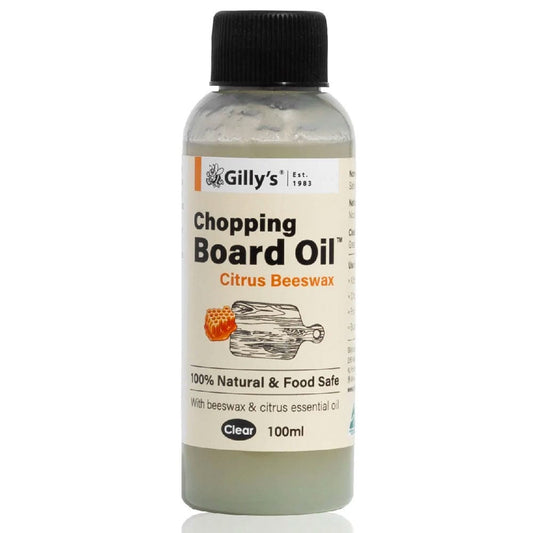
Here is what our customers say after using Gilly's Chopping Board Oil:
"My wooden chopping boards look new again."
– Erica S.
"It certainly works, brings old chopping boards back to life."
– Janelle A.
"My kitchen boards got a new lease of life."
– Helen N.
"Good oil. Spreads well, brought up the grain and smells good."
– Kate B.
"Great product for all my wooden kitchen items and chopping boards. Lovely light citrus fragrance, soaks in easily and therefore no oily residue."
– Carolyn R.
"Easy to apply; the wood still looks good weeks later and I use that board every day."
– Liz R.
"It absorbs into the cracks and scratches very quickly leaving a smooth non-greasy finish."
– Teresa E.
The most common feedback we hear is that the oil is easy to apply, absorbs quickly, smells pleasantly citrusy, and helps bring dry timber back to life without affecting food flavours.
Deep conditioning for very dry chopping boards
If your wood cutting board is heavily used, dry, scratched or looking neglected, give it a deep conditioning treatment a few times a year.
Apply chopping board oil generously and leave it overnight. Wipe away any oil that has not absorbed the following day.
Many customers are surprised by how much oil older boards absorb during their first treatment. One customer described it as giving her kitchen boards "a new lease of life", while another said it "brought old chopping boards back to life".
Which oils to avoid on chopping boards?
Avoid cooking oils
Vegetable oils such as olive oil, canola oil and sunflower oil should not be used on chopping boards because they can become rancid over time.
Why we don't recommend mineral oil
Mineral oil (liquid paraffin) is derived from petroleum. While it is commonly recommended for chopping boards because it is flavourless and stable, we prefer plant-based alternatives that don't rely on fossil fuels for a food preparation surface.
When does a chopping board need oiling?
Your chopping board probably needs oiling if:
- The timber looks pale or faded
- Water no longer beads on the surface
- The wood feels rough or dry
- The grain appears thirsty or uneven
- The board has lost its rich natural colour
A well-oiled board will usually look richer in colour, feel smoother and be better protected from moisture.
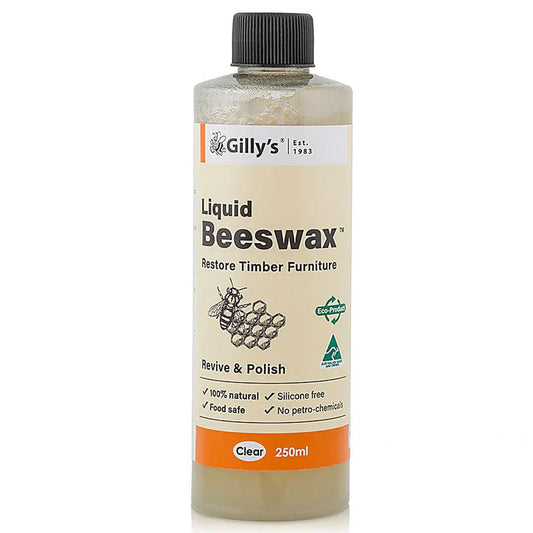
An extra-rich treatment: Liquid beeswax
For boards that need extra nourishment, a combination of oil and wax can provide additional protection.
Liquid Beeswax combines plant oils, citrus solvent and pure beeswax to deeply condition timber while helping seal and protect the surface.
It can be applied with a cloth or brush and dries clear on the timber.
Other wooden items that benefit from oiling

Chopping board oil isn't just for chopping boards.
Wooden and bamboo items that can benefit from regular oiling include:
Natural fibre cleaning brushes
Wooden cleaning brushes need wax protection too
Because wooden cleaning brushes are regularly exposed to water, they benefit from an extra protective layer of food-safe wax.

First apply chopping board oil to hydrate the timber and allow it to dry thoroughly. Then apply thin layers of food-safe wax, buffing between coats.
This helps seal in the nourishing oils and extend the life of the timber.
Frequently Asked Questions
How often should I oil a wooden chopping board?
Most boards benefit from oiling every few weeks, although heavily used boards may need more frequent treatment. Oil whenever the timber starts looking dry or faded.
Can I use olive oil on a chopping board?
No. Olive oil can become rancid over time, leading to unpleasant odours and potentially affecting food preparation.
How do I stop a wooden chopping board from cracking?
Regular oiling is the best prevention. Keeping the timber hydrated helps prevent drying, cracking and warping.
What is the best oil for a wooden chopping board?
Choose a food-safe oil specifically designed for chopping boards. These are formulated to penetrate the timber, protect the wood and remain stable without becoming rancid.
Related reads at Biome
Everything you need to know about switching from plastic to wooden chopping boards

We also stock a range of furniture wax and products to help you care for wooden furniture.
Make your own DIY furniture polish
Meet Redecker: Traditional plastic free wooden cleaning brushes and tools