




Quick answer: Yes—you can wash dishes without plastic. A solid dishwashing soap, natural fibre brush or scrubber, and reusable cellulose or cotton cloth can replace bottled dishwashing liquid, plastic brushes, synthetic sponges and disposable wipes.
Plastic is so woven into everyday life that it can be difficult to know where to begin reducing it. But the plastic we can see is only part of the concern.
Plastic products can shed tiny particles as they wear down, while chemicals associated with plastics can move through food processing, packaging, storage and everyday touchpoints. These particles and chemicals can make their way into our food and water, meaning we may be eating and drinking traces of plastic without even realising it.
Looking at one small area at a time makes reducing plastic much more achievable—and the kitchen sink is one of the easiest places to start.
What’s the problem with plastic at the kitchen sink?
Plastic and synthetic products are often in abundance around the sink: Chux wipes, those green and yellow scrub sponges, plastic dish brushes, washing-up liquid in plastic bottles and dishwasher tablets wrapped in plastic or dissolvable film…it’s everywhere.
Sponges, dish cloths and dish brushes are often made from synthetic, semi-synthetic (viscose rayon) and plastic materials. As they gradually degrade each time you use them, synthetic fibres and tiny plastic fragments can be sent down the drain and into our waterways. Plus, they often come wrapped or tagged with even more plastic—and we use them to clean the plates, cups and utensils from which we eat and drink.
It needn’t be this way. Below are our favourite swaps for washing dishes without plastic, helping you reduce waste and the shedding of synthetic fibres in one of the busiest parts of your home.
Replace bottled dishwashing liquid with a soap bar
There are a couple of ways you can use a bar of soap to wash the dishes. Add one to a soap shaker like the one below, or swirl a pot scrubbing brush over it before scrubbing pots and pans. Store it on a soap rack to allow it to dry properly in between uses. Be sure to use a bar of soap especially designed for washing dishes—we make a great one!
 |
The Dishwash Soap Block by BiomeBest for: Replacing bottled dishwashing liquid with one long-lasting, plastic-free block. Why it stands out: Made in small batches in Australia without palm oil, synthetic surfactants or synthetic fragrance. Its concentrated formula can be used for dishes, chopping boards, kitchen benches, tiles and stainless steel. |
Want to understand what separates traditional soap from a solid detergent bar? Read How Dishwashing Soap Bars Work and our real-world dish soap bar comparison.
Bring back the soap shaker
You might remember seeing one of these next to your grandmother's kitchen sink—well, we're bringing the humble soap shaker back. Stainless steel soap shakers have been around for generations and are now finding their way back into plastic-free kitchens.
Simply place a piece of solid dishwashing soap into the cage, close it and swish it through warm water in the sink. This creates soapy water without the need for bottled washing-up liquid.
Also known as a soap cage, suds maker or dish swisher, a stainless steel soap shaker is a buy once, buy for life tool that can be used again and again. Hang it up between uses so the soap can drain and dry.

|
Scrub with natural fibre brushes and pads
For pots, pans and dishes that need a good scrub, brushes made from wood and plant fibres offer an effective alternative to plastic.
A wooden pot scrubbing brush is particularly useful for baked-on food and can also double as a vegetable cleaning brush. Simply wet the brush, swirl it gently over the dishwashing block and scrub as usual.
The Biome community has long loved the Safix coconut fibre scrub pad and also the sturdy and reliable Redecker dishwashing brush (replaceable heads available too!).
Here's what a happy customer had to say about the Safix scrub pad:
"I repeatedly purchase this awesome product... it's biodegradable, compostable and does not build up bacteria, it dries quickly. I cut mine in half so it lasts me even longer. Eventually as it gets older it drops bits off which I pop into my composter!" — Sally
All of these items can be composted at the end of their life. Be sure to remove and recycle the stainless steel components from the dish brushes first though.

|

|

|
For a closer look at the different shapes, fibres and uses, read How To Choose The Best Plastic Free Dish Brush For Every Job .
Switch your dish cloths and sponges
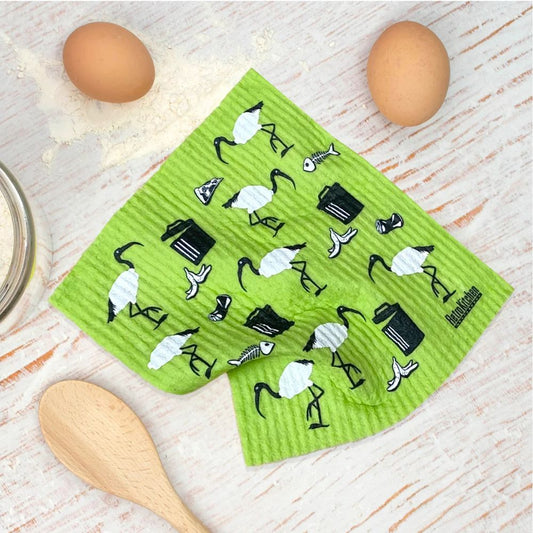
A Swedish dish cloth is an excellent replacement for Chux-style wipes, synthetic sponges and paper towel—in fact one can replace up to 17 rolls of paper towel in its lifetime. Made from 70% FSC-certified wood cellulose and 30% cotton, it absorbs up to 20 times its weight, dries quickly, can be washed or boiled, and is compostable at the end of its life.
For heavier scrubbing, the Green Essentials Cellulose Sponge and Coconut Scrubber combines an absorbent plant-based sponge with a coconut fibre scrubbing layer. A fabulous plastic free, heavy duty alternative to disposable dish sponges.
Organic cotton dish cloths are another simple option. We love the Full Circle cloths. Made from organic cotton and naturally dyed, they’re a beautiful alternative for washing dishes, drying hands and wiping kitchen surfaces without shedding synthetic fibres.

|

|

|
See our guide to choosing and caring for reusable dish cloths.
Choose plastic-free dishwasher powder
Many dishwasher tablets are individually wrapped in plastic or encased in a dissolvable film made from polyvinyl alcohol, also known as PVA or PVOH. Despite being marketed as “dissolvable”, PVA is still a synthetic plastic polymer. Dissolving in water does not mean it simply disappears.
If you want to keep plastic out of your dishwasher, skip the pods and choose a plastic-free dishwasher powder. Loose powder also lets you use only what each load needs, rather than being locked into a fixed-dose tablet.

|
A simpler way to wash up without plastic
You don’t need to change everything at once. When something at your sink reaches the end of its life, replace it with a natural, long-lasting alternative. Each simple swap means less plastic around your sink and fewer synthetic fibres washing down the drain.
Explore all plastic-free dishwashingFrequently asked questions about plastic-free dishwashing
Can you wash dishes completely without plastic?
Yes. A solid dishwashing soap, stainless steel soap shaker, natural fibre brush and cellulose or cotton cloth can replace the main plastic products used for washing dishes by hand.
Can you wash dishes with a bar of soap?
Yes, provided it is a soap bar formulated for dishwashing. Rub a wet brush, cloth or sponge over the bar to create a lather, then wash and rinse your dishes as usual.
Do plastic dish brushes release microplastics?
Plastic bristles wear down with repeated use. Small fragments can break away and be washed down the drain, particularly as the brush becomes older or damaged.
Is a dish brush better than a sponge?
They suit different jobs. A natural fibre dish brush is useful for plates, pots and pans, while a cellulose sponge or cotton cloth is better for wiping surfaces, soaking up spills and gentler washing.
What can I use instead of a plastic washing-up sponge?
Try a cellulose and cotton Swedish dish cloth, coconut fibre scrub pad, organic cotton cloth or plant-based cellulose sponge. Choose according to whether you need absorbency, gentle washing or heavier scrubbing.
Are natural fibre dish brushes compostable?
The untreated wood and plant fibre parts may be compostable. Remove any metal components first and check that the brush does not contain glue, coatings or synthetic bristles.
Is the film on dishwasher tablets plastic?
Many dissolvable dishwasher tablet wrappers are made from polyvinyl alcohol, also called PVA or PVOH. It is a water-soluble synthetic polymer. If you prefer to avoid it, choose loose dishwasher powder.
Related reads
How Dishwashing Soap Bars Work
What Makes the Best Dish Soap Bar? A Real-World Comparison
How To Choose The Best Plastic Free Dish Brush For Every Job