




Originally published July 2025, updated September 2026.
Oh oh! You've noticed tiny winged moths flitting out of your wardrobe or silverfish skittering across your bathroom floor. Or worse, you've pulled out your winter woollens and found the gaping holes.
Your skin is crawling as much as the critters! But what exactly are these bugs, and how do you keep them out without resorting to toxic chemicals?
Let’s break down the difference between moths and silverfish, the damage they cause, and which essential oils help repel them, without breathing in synthetic scents or harsh ingredients.
Quick answer: Do silverfish eat clothes?
Yes, silverfish can damage clothes, particularly natural fibres that are starched, sweaty, stained or damp. Silverfish tend to leave grazed patches, small holes or yellowish marks, while clothes moth larvae usually chew more distinct holes in wool, silk and other natural fibres. Use Bug Off Silverfish in damp areas and around paper storage, and Bug Off Moths or red cedar in wardrobes and drawers.
If clothes moths are already present, follow our complete guide to getting rid of clothes moths and preventing them from returning.
What’s the difference between silverfish and clothes moths?
Both can damage clothing, but they look different, prefer different conditions and leave different signs behind.
Silverfish
What they look like: Silvery-grey, wingless and fast-moving.
Where they live: Dark, damp areas such as bathrooms, laundries, bookcases and storage spaces.
What they eat: Starches found in books, wallpaper glue, cardboard and fabric. They may also target natural fibres that are starched, sweaty, stained or damp.
Damage to look for: Small irregular holes, grazed or thinned fabric and yellowish marks.
Clothes moths
What they look like: Tiny brown-beige moths with wings.
Where they live: Cool, dark wardrobes, drawers and undisturbed clothing storage.
What they eat: The larvae, not the adult moths, feed on natural fibres such as wool and silk, as well as pet hair.
Damage to look for: More distinct or gaping holes, particularly in woollen jumpers and other animal fibres.
Not sure which one you have? Damage around books, cardboard, damp storage or the laundry points towards silverfish. Gaping holes in woollens stored in a dark wardrobe are more likely to be caused by clothes moth larvae.
What essential oils deter moths and silverfish naturally?
Nature has its own pest control system. Certain essential oils work as strong deterrents because insects hate their smell, plus they’re safe for your home and lungs.
Biome offers three powerful options. Choose the one that best matches the pest and where you are finding it.
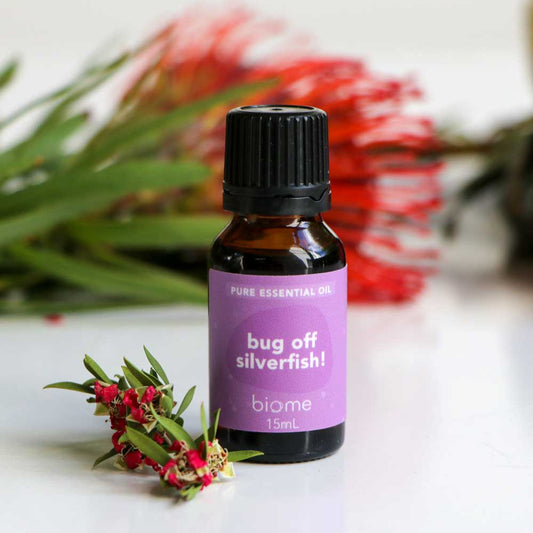
Bug Off Silverfish

Best for: Silverfish, musty bathroom zones and bookshelves.
Scent: Fresh, herbal and a little spicy.
Key oils:
- Eucalyptus and peppermint: Sharp and invigorating—disorients insects.
- Cedarwood and clove: Known to kill silverfish on contact.
- Cinnamon and lemongrass: Linger in the air to help keep them away.
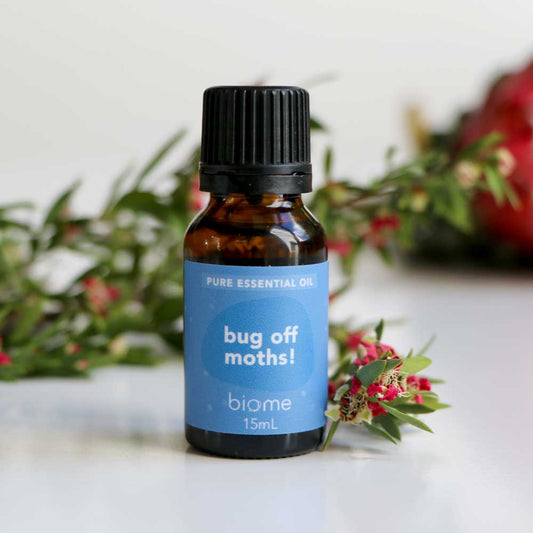
Bug Off Moths

Best for: Wardrobes, drawers and linen cupboards.
Scent: Woodsy floral with citrus notes.
Key oils:
- Cedarwood and clove: Traditional moth deterrents.
- Lavender and lemon myrtle: Gentle but effective—and make your clothes smell lovely.
- Sage and rosemary: Purify the air and confuse the moths’ scent trails.
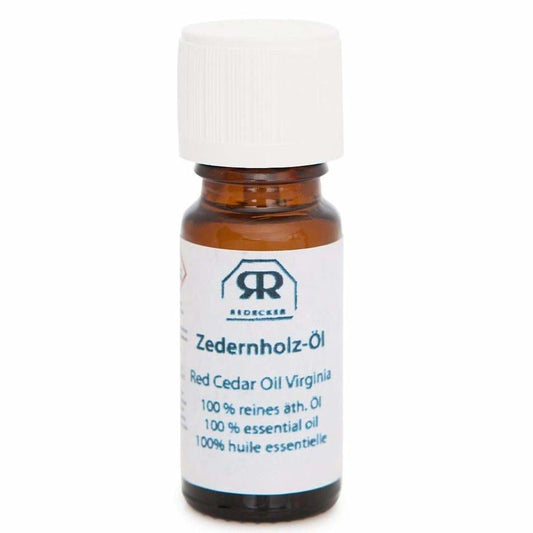
Red cedar blocks and oil
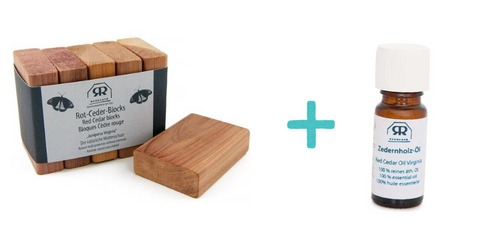
Best for: Refreshing cedar blocks and maintaining a steady woody scent in wardrobes.
Scent: Deep, woody and grounding.
Why it works: Moths and silverfish hate cedar. Its strong scent disrupts their ability to lay eggs, which is half the battle.
Which oil is best for moths and silverfish in wardrobes?
It depends on the pest and where you are finding it:
✓ Bug Off Silverfish: Choose this for silverfish in damp areas, bathrooms, laundries, bookshelves and paper storage.
✓ Bug Off Moths: Choose this for wardrobes and drawers, particularly if you prefer a fresh, multi-note blend for cotton rounds, diffuser pads or fabric pouches.
✓ Red Cedar Oil: Choose this to refresh cedar blocks or wood balls, or if you prefer a pure woody scent that requires less frequent topping up.
Cedar oil can help deter silverfish as well as moths. Its strong scent makes wardrobes and storage areas less inviting to these pests.
Best practice: Use them together
Layer each product where it is best suited:
✓ Refresh cedarwood blocks with Red Cedar Oil for a steady, low-maintenance scent in wardrobes.
✓ Use Bug Off Moths on cotton rounds or pouches in drawers and wardrobe corners.
✓ Use Bug Off Silverfish separately in damp areas or near books and paper storage.
This three-part strategy gives you tailored protection across your home: a steady cedar scent in wardrobes, a fragrant boost in drawers and a dedicated silverfish blend in damp or paper-filled areas. You get the best of both: long-lasting defence and fragrant intensity.

Do these oils kill or repel bugs?
These are repellents, not poisons. That’s a good thing. You’re not spraying your house with synthetic chemicals. You’re making it smell lovely while making the space inhospitable to bugs.
If you're seeing a full-blown infestation, especially of silverfish, you’ll still need to declutter, remove paper-based storage and dry out damp areas.
How do I use essential oils to keep moths and silverfish away?
✓ Add 5–10 drops to a cotton ball, fabric pouch, sachet with cedar chips or Huon Pine shavings.
✓ Place them in drawers, linen cupboards, wardrobes, bathroom corners or near paper storage, depending on which pest you are trying to deter.
✓ Replenish the essential oil weekly or as soon as the scent fades.
✓ Top up red cedar blocks every few weeks to monthly, depending on how noticeable the cedar aroma remains.
✓ Avoid direct contact with clothes. Keep oils on cotton, fabric pouches, cedar blocks or diffuser pads.
Already seeing clothes moths or larvae? Essential oils alone will not remove an infestation. Follow our detailed steps for getting rid of clothes moths and preventing them from returning.
If you are preparing woollens for seasonal storage, see our guide to freezing woollen clothing and other smart tactics for stopping clothes moths.
Why not just use mothballs?
Traditional mothballs often contain naphthalene or paradichlorobenzene- chemicals that are both toxic and linked to respiratory issues, especially for children and pets. Learn more here the Toxic Truth About Naphthalene Moth Balls.
Biome’s natural essential oil blends are a safer, plant-based alternative that smells a lot better too.

If you're tired of mystery holes in your knitwear or finding silverfish nibbles in your books, these natural oil blends give you a safer, non-toxic way to reclaim your space—and they smell incredible while doing it.
Shop natural moth repellentsFrequently asked questions about moths and silverfish
How do you get rid of silverfish in a wardrobe?
Remove clothing and unnecessary cardboard or paper storage, vacuum thoroughly and check for moisture or dampness. Wash stained or sweaty clothes before returning them, then use Bug Off Silverfish, red cedar or Huon Pine to help make the clean, dry space less inviting.
What scents do silverfish dislike, and does cedar oil repel them?
Silverfish are sensitive to strong aromatic scents including cedarwood, clove, peppermint, eucalyptus, cinnamon and lemongrass. Use Red Cedar Oil to refresh cedar blocks or choose Bug Off Silverfish, which combines several silverfish-deterring oils.
Do natural oils kill moths and silverfish?
These products are primarily used as deterrents and will not remove an established infestation. You should also clean the affected area, wash or treat clothing, reduce dampness and remove unnecessary paper or cardboard storage.
Do naphthalene mothballs repel silverfish?
Naphthalene mothballs release pesticide vapour and may deter or kill insects, but they also introduce toxic fumes into enclosed spaces. Biome recommends plant-based deterrents instead. Read more about the risks of naphthalene mothballs and safer alternatives.
Are essential oils safe around pets?
Use cautiously. Cats, in particular, are sensitive to essential oils such as peppermint and eucalyptus. Keep applications in places pets can’t lick, rub against or sleep on directly.
How long do cedar blocks and cedar oil last?
Cedar blocks last indefinitely as pieces of wood, but their aroma needs to be refreshed. Sand the surface or add a few drops of cedar oil approximately every month. A 10ml bottle should last for months when using 5–10 drops at a time.
Can I put essential oils directly on clothes or skin?
No. Undiluted essential oils are potent and can stain clothing or irritate skin. Apply them to cotton rounds, fabric pouches, cedar blocks or other diffuser materials instead.
Related reading
How to get rid of clothes moths naturally and prevent them returning
Are mothballs toxic? The risks and safer alternatives
Freeze your woolly jumper—and other smart tactics to stop clothes moths
Why do clothes moths keep coming back? How to break the cycle
How to treat moths in wool carpets and rugs