




Originally published September 2022, updated September 2026.
Spring is without a doubt one of the most exciting times to be a gardener. Fresh new foliage, flowers in full bloom, and lots of edible plants to sow and grow.
Growing your own food - whether in a backyard veggie patch, a few pots on your patio, or in your local community garden - is great for the planet, your health and wellbeing, and will save you money too. Plus there is nothing like raiding your veggie patch to make your dinner! So what can you start planting now?
Once the frost is gone from your area, you can plant almost anything in spring - particularly herbs, beans, peas, root vegetables, greens, tomatoes, capsicum and eggplants.
What edible plants can you plant in spring?
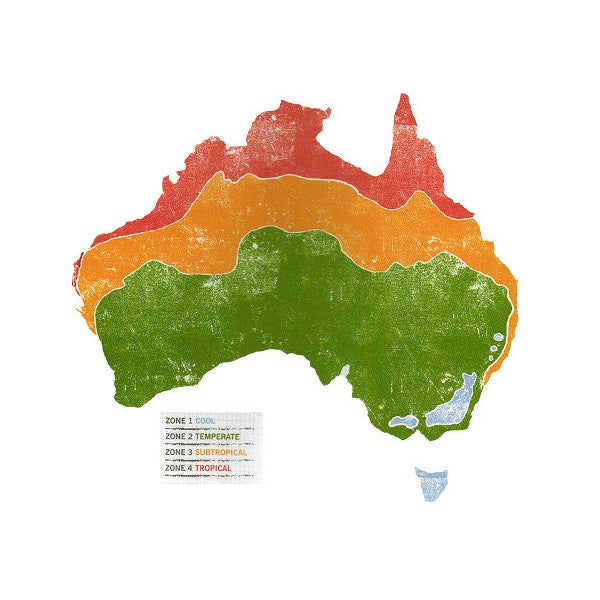
What you can plant in spring depends on your climate zone.
What can you plant in your climate?
Cool climates: Once the risk of frost has passed, spring is a good time to sow herbs such as basil, mint, parsley and chives, along with beetroot, carrots, kale, lettuce, peas, radish and silverbeet.
Temperate climates: September is a great month to plant. As well as herbs, leafy greens and root vegetables, you can start planting beans, corn, cucumber, peas, pumpkin, tomatoes and zucchini. Why not try purple carrots or add marigolds and nasturtiums among your edible plants?
Subtropical climates: Now is the ideal time to plant warm-season favourites such as beans, capsicum, chilli, corn, cucumber, eggplant, tomatoes and watermelon. You can also sow herbs, beetroot, carrots, leafy greens, radish and silverbeet.
Tropical climates: Spring planting options include beetroot, corn, lettuce, pumpkin, radish, silverbeet and zucchini. Herbs such as coriander, mint, basil, chives, thyme, parsley, rosemary and oregano can also be planted.
These are general seasonal suggestions, so check your seed packet for the best planting time and conditions in your area.
Six popular seeds to plant across Australia this spring
Not sure where to begin? These six seeds can be planted in spring across Australia’s different climate zones.
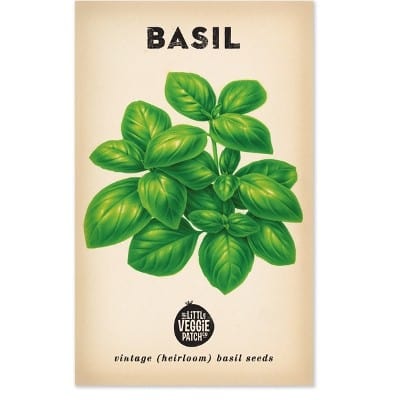
Basil |
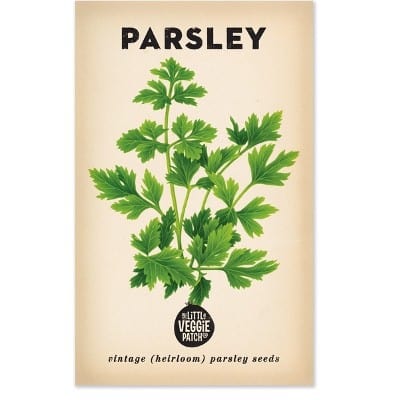
Parsley |
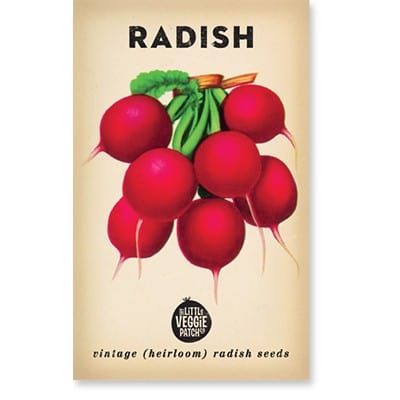
Radish |
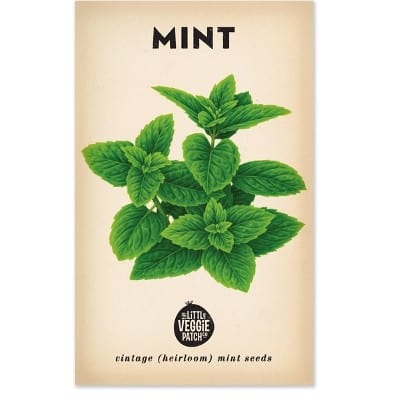
Mint |
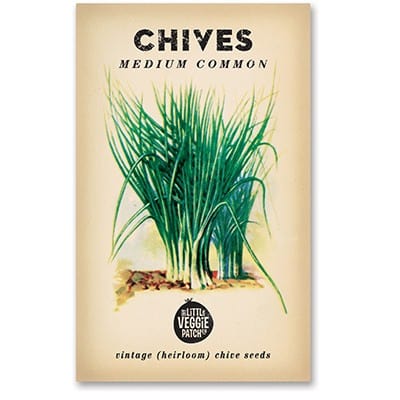
Chives |
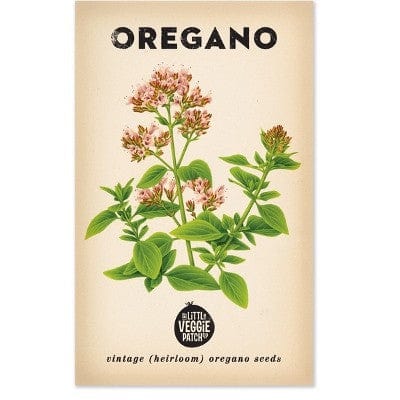
Oregano |
Ready to get growing? 🌱
Fill your veggie patch, garden beds or balcony pots with heirloom seeds ready to sow this spring.
SHOP ALL HEIRLOOM SEEDS →Biome stocks two ranges of seeds from Little Veggie Patch Co and Eden Seeds & Select Organic.
How do you collect and store seeds for next season?
As these are heirloom, open pollinated seed varieties, you can keep the seed that these plants produce to use for next season. Once you collect the seeds, spread them out on a newspaper and let them air-dry for about a week.
Pack the air-dried seeds in seed envelopes and label with the seed type, date collected, and any other special notes. Keep the seed envelopes in a mason jar or glass container with a tight fitting lid, in a cool, dry place. Humidity and warmth will shorten a seed's life.
What gardening tools can help you grow from seed?
Paper Pot Maker
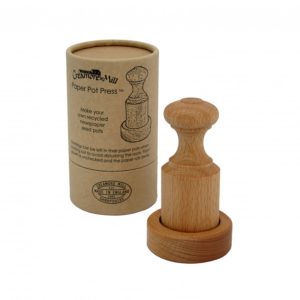
This simple kit allows gardeners to make a limitless supply of sturdy but biodegradable pots for seeds, seedlings and young plants. By using old newspaper to grow your seedlings instead of plastic, you are recycling something biodegradable and creating less demand for disposable plastic products.
Bokashi composting

Healthy plants begin with healthy soil. A Bokashi composting system uses effective microorganisms to ferment food scraps in a sealed bucket, turning kitchen waste into valuable soil conditioner and fertiliser for your garden.
- Composts almost all food scraps, including meat, fish and dairy
- Compact enough for the kitchen and easy to use
- Helps keep food waste out of landfill and return its nutrients to your garden
- Sealed to avoid unpleasant smells and attracting insects
The fermented scraps can be buried to add organic matter to your soil, while the collected liquid can be diluted and used as fertiliser.
Ready to get your garden growing? 🌿
Find seeds, Bokashi composting systems, practical tools, pots and garden essentials for your backyard, balcony or veggie patch.
SHOP ALL GARDENING →FAQs about planting seeds in spring
What vegetables should I plant in spring in Australia?
The best vegetables to plant in spring depend on your climate zone. Popular spring choices include beans, beetroot, carrots, corn, cucumber, lettuce, peas, pumpkin, radish, silverbeet, tomatoes and zucchini. Gardeners in cool climates may need to wait until the risk of frost has passed, while warmer subtropical and tropical areas can begin planting warm-season vegetables earlier.
What seeds can I plant in September in Australia?
September is a great month to plant herbs, leafy greens, root vegetables and many warm-season crops. Depending on where you live, this may include basil, parsley, lettuce, carrots, radish, beans, cucumber, tomatoes, pumpkin and zucchini. Always check the seed packet for the best sowing time in your climate.
When should I start planting spring vegetables?
You can start planting many spring vegetables once the risk of frost has passed and conditions have begun to warm. The right time will vary between cool, temperate, subtropical and tropical parts of Australia, so use your local conditions and the instructions on your seed packet as your guide.
What seeds can be planted in pots in spring?
You do not need a large veggie patch to grow food from seed. Herbs such as basil, parsley, mint and chives can be grown in pots, along with compact crops such as lettuce and radish. Choose a container with adequate drainage and position it where the plants will receive the sunlight they need.
Which seeds can be planted across Australian climate zones in spring?
Basil, parsley, radish, mint, chives and oregano all appear in our spring planting guidance for cool, temperate, subtropical and tropical climates. Lettuce and silverbeet are also versatile spring choices. The ideal time and growing conditions can still vary within each climate zone, so check the individual seed packet before planting.
Can you plant seeds directly into the garden in spring?
Many seeds can be sown directly into a prepared garden bed or pot in spring, while others may benefit from being started in a small seedling pot. Follow the depth, spacing and sowing instructions on the packet, as each variety has different needs.
What are heirloom seeds?
Heirloom seeds come from plant varieties that have been preserved and passed down over time. Biome’s heirloom seeds are open pollinated, which means you can collect the seeds produced by your plants and save them for another growing season.
Related reads
Beginner’s Guide to Starting a Veggie Garden
Beginner’s Guide to Composting
No Garden? No Problem: Apartment Composting Is for You